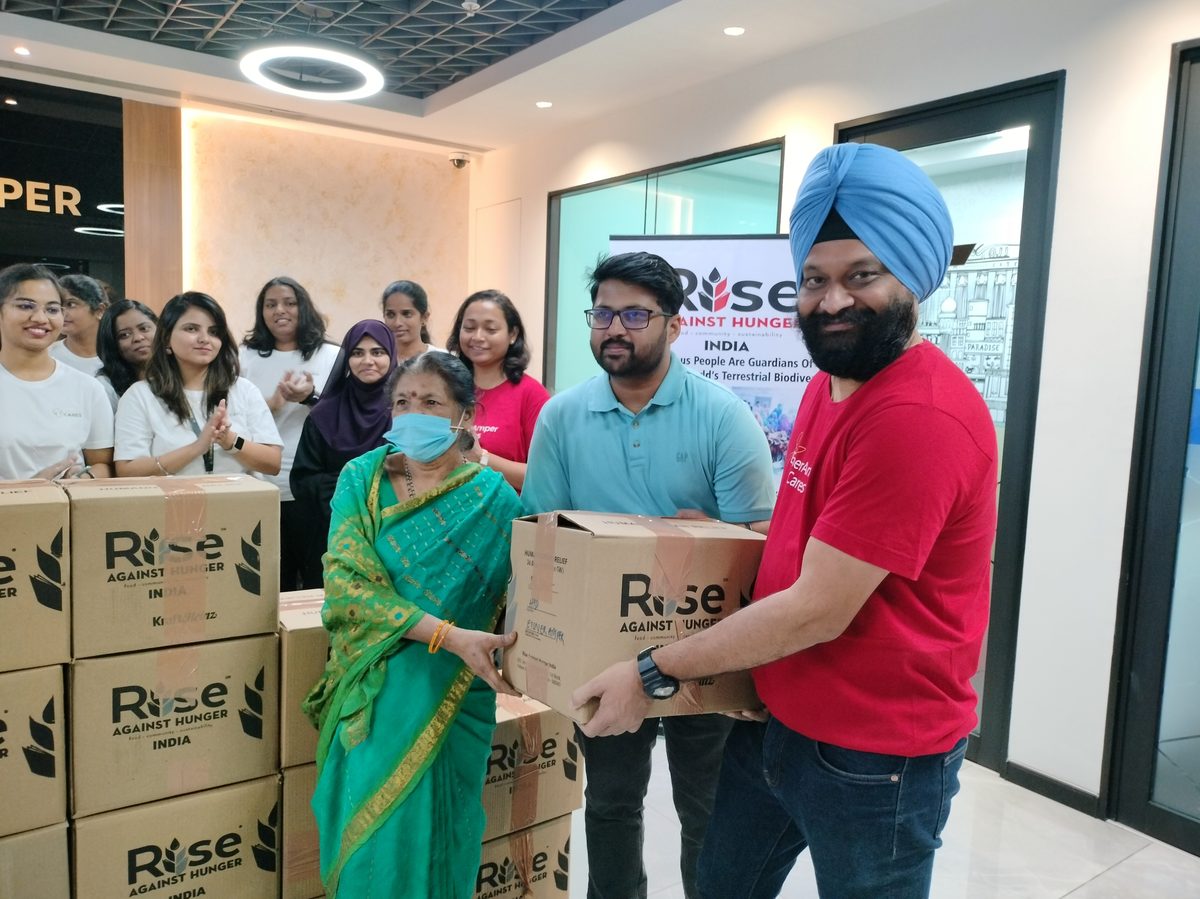
Our Work
Sustainable solutions for a hunger-free India
Our Program Model
We work in remote hunger hotspots rated "serious" or higher on the Hunger Index, implementing locally-led development strategies that provide for today while preparing for tomorrow.
Approach & Strategy
Our work starts with a meal. While providing meals to meet immediate needs, we organize communities and build long-term resilience through integrated interventions.
- Nutritious meals for students, pregnant women, young children, and patients recovering from illness
- Livelihood and income generation opportunities for community members
- Access to healthcare, sanitation, safe drinking water, and government support
- Building strong community leadership to sustain efforts locally
Hunger-Free Village Model
Our model works on 12 statements and measures outcomes through 17 indicators. Each household and village is scored on a composite set of indicators to assess their current status.
- Interventions designed to improve household and community level indicators, tracked regularly
- Training, counseling and education on behavior change, community leadership, and disaster preparedness
- Threshold to be declared hunger-free: each household and village scoring at least 70% on composite scores
Monitoring & Evaluation
We conduct household-level baseline assessments, determine resilience and self-sufficiency levels, and co-design programs with each family to track their journey towards self-sufficiency.
- Performance monitoring, course corrections, and outcome measurement at household level
- Project-specific monitoring systems to track progress across multiple interventions
- Tracking school attendance and educational performance for students receiving meals through urban NGO partners
- Nutrition level improvements for pregnant women, lactating mothers, and under-5 children
How We Drive Change
Our theory of change is built on addressing root causes, not just symptoms of hunger
It Starts with a Meal
In cities, meals are packaged through volunteering events and served via NGO partners at schools, hospitals, and care homes. In rural areas, they serve as a safety net for the most vulnerable.
Direct Implementation for Lasting Impact
We work directly in rural communities, guided by our Hunger-Free Village Charter across five domains: Food Security, Health & WASH, Nutrition, Livelihood, and Resilience.
Building Inclusive Local Leadership
We nurture leaders from marginalized groups and form community collectives that engage with government systems — building agency from within.
Emergency Response & Resilience Building
We respond to disasters with immediate relief and stay through recovery. In our communities, we go beyond — mapping risks, building safety nets, and preparing families to handle crises on their own.
Focused Nutrition Interventions
We target two critical windows: the First 1,000 Days for mothers and young children through Community Kitchen Centers, and adolescents through life skills and nutrition education.
Building Champions for a Hunger-Free Future
Through volunteering programs and nutrition education for students (Grades 6–10), we empower individuals to make conscious food choices and become champions of change.
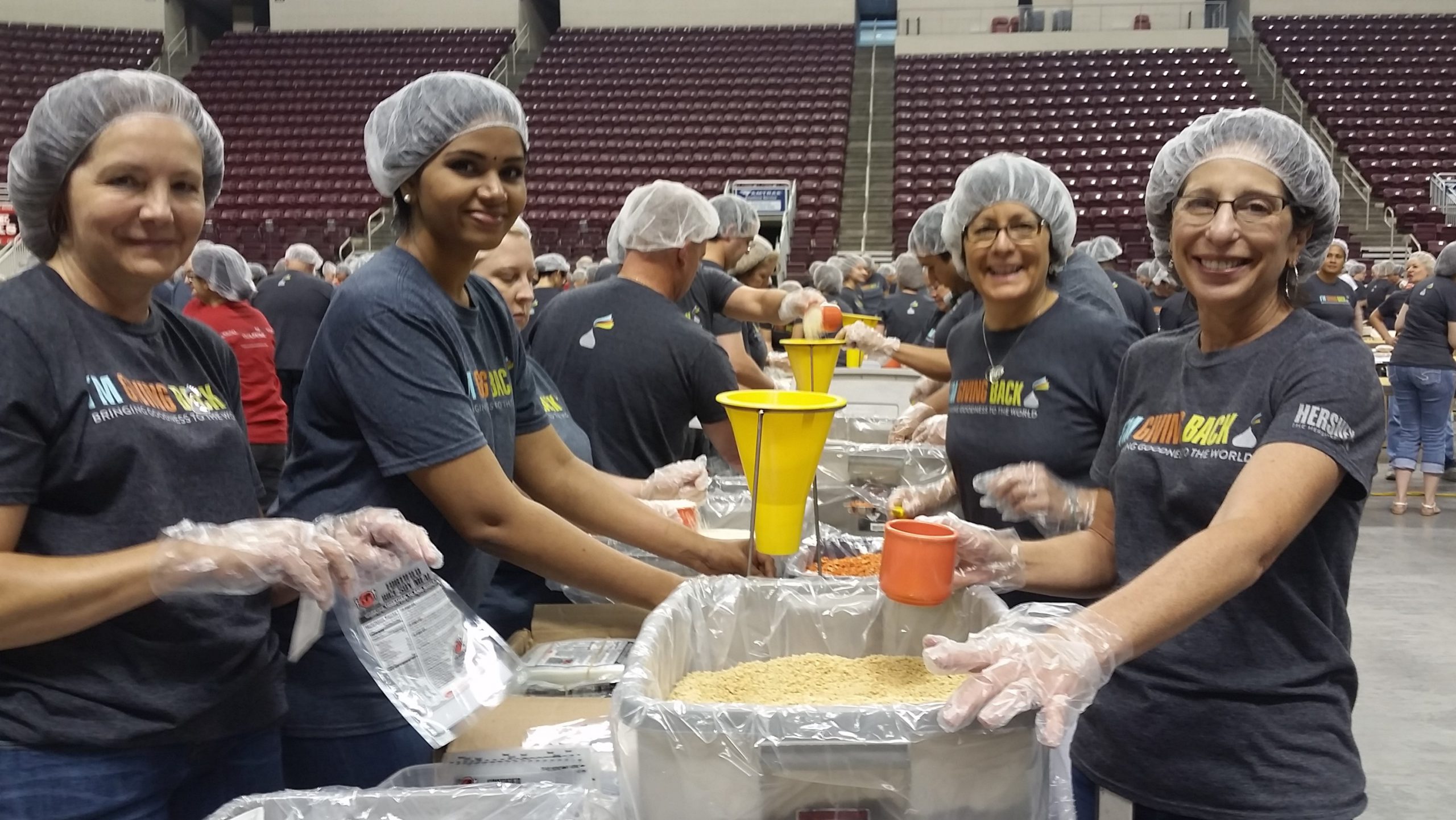
Meal Packaging Program
Our signature program that has engaged 89,000+ volunteers to package 46M+ nutritious meals of rice, dal, and vitamins. It starts with a meal.
Explore the ExperienceOur Four Pillars
Comprehensive pathways to eliminate hunger and build resilient communities
Nourishing Lives
Providing nutritious meals, healthcare nutrition, and safety nets for vulnerable communities
Learn MoreCommunity Empowerment
Building sustainable livelihoods through agricultural support, skill development, and economic opportunities
Learn MoreEmergency Response
Rapid disaster relief, recovery support, and community resilience building
Learn MoreGrowing the Movement
Engaging volunteers, corporates, and communities to join the fight against hunger
Learn MoreInnovation & Sustainability
At Rise Against Hunger India, innovation and sustainability are not separate goals — they are how we scale impact responsibly. We combine technology, nutrition science, and community-led solutions to build food systems that are resilient, inclusive, and future-ready.
- Last-Mile Targeting: Using layered data (government + field validation) to identify and serve the most under-reached communities in aspirational districts

- Meals4Development Model: Enabling communities to solve local infrastructure challenges through collective action — contributing labor while we provide materials and meals
- Community-Led Solutions: Empowering local leaders to design and sustain change, as seen in village-led efforts to address water contamination in OdishaWatch the story →
- Micronutrient Innovation: Fortifying meals to address critical nutrient deficiencies and improve long-term health outcomes
- Digital Transparency: Leveraging technology to track distribution and impact in real time
- Circular Packaging Solutions: Reducing plastic through biodegradable alternatives and recycling into useful products like clothing and household items
Where We Work
Operating across 25 states with 18 offices, field units, and warehouses — partnering with 416+ NGOs to reach the most vulnerable communities
Offices & Field Units
NGO Partners
States Covered
States with Field Presence
Our Offices & Field Units
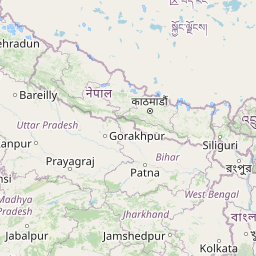
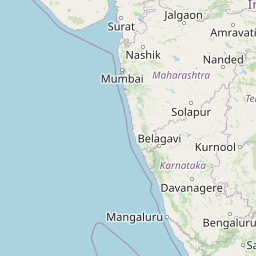
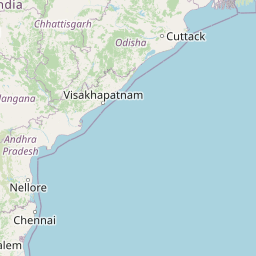
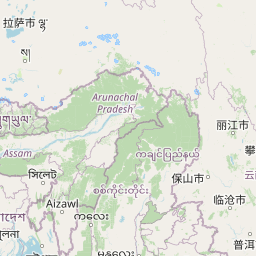
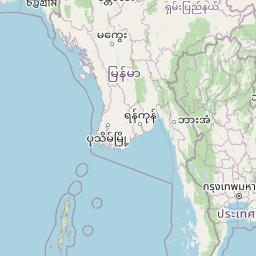
Locations (18)
Urban Chapters
Central Warehouse
Deoghar Area Office
Deoghar, Jharkhand
NGO Partners by State
Karnataka
116 partners
Maharashtra
84 partners
Delhi
51 partners
Telangana
31 partners
Uttar Pradesh
21 partners
Odisha
18 partners
Bihar
13 partners
Madhya Pradesh
11 partners
Rajasthan
10 partners
Tamil Nadu
10 partners
Kerala
7 partners
Andhra Pradesh
7 partners
Haryana
6 partners
Gujarat
6 partners
Uttarakhand
6 partners
West Bengal
5 partners
Punjab
5 partners
Assam
3 partners
Chhattisgarh
2 partners
Jammu & Kashmir
2 partners
Puducherry
1 partner
Manipur
1 partner
Jharkhand
1 partner
Goa
1 partner
Partner With Us
Whether you're an NGO, educational institution, or community organization — join our network to fight hunger together