Together for a Hunger-Free Future
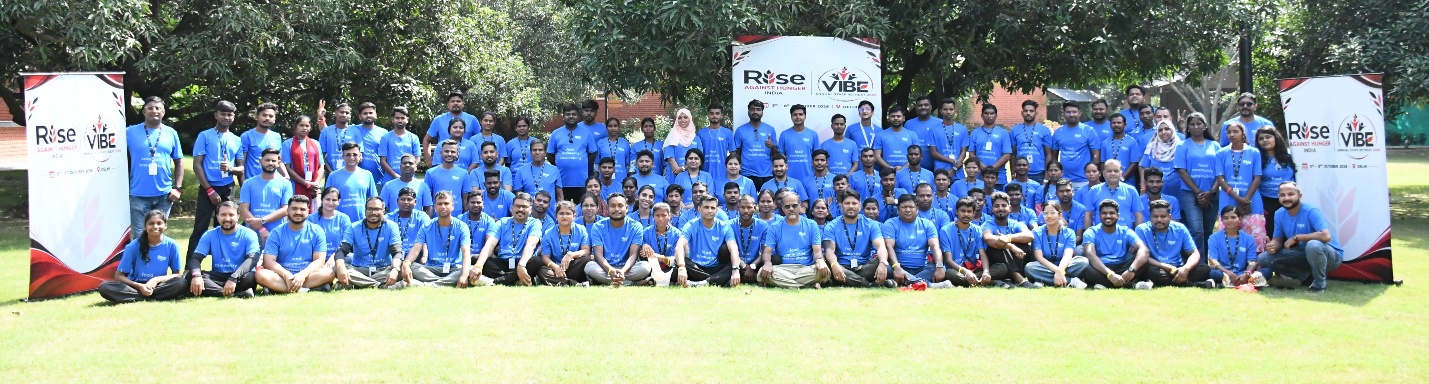
For five days in October, more than 105 members of the Rise Against Hunger India family came together for our Annual Staff Retreat 2026. Colleagues travelled from different states, cities, districts and communities to reconnect, learn from one another, celebrate together and renew their commitment to building a hunger-free future.
For an organization whose people work across diverse geographies and contexts, coming together in one place was significant. Many colleagues collaborate throughout the year through phone calls, messages, emails and online meetings, but rarely have an opportunity to meet face-to-face. For some, the retreat was the first chance to put faces to names they had known for years.
Yet the retreat was designed to be more than a gathering. It became an opportunity to experience the kind of organizational culture we aspire to build every day: collaborative, inclusive, respectful and driven by a shared mission.
From Familiar Teams to One Organization
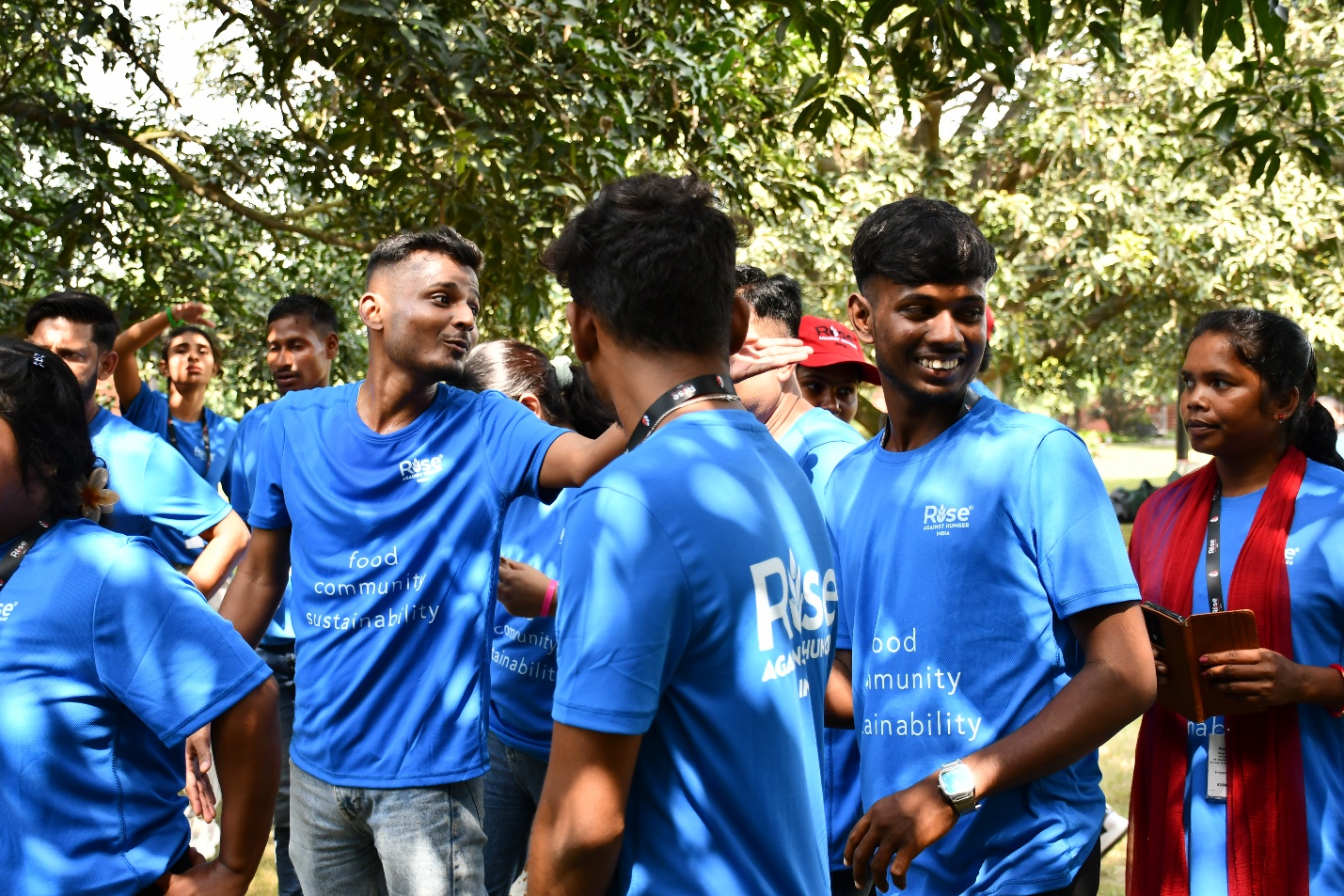
From the first day, usual workplace groupings were intentionally set aside. Everyone was brought together as one, and the entire team was then divided into six groups. Each group included a mix of departments, divisions, units, geographies and levels of responsibility.
Rather than spending the retreat only with familiar colleagues or within usual reporting lines, participants worked, competed, travelled, learned and celebrated alongside people with whom they might not ordinarily interact.
This marked the beginning of breaking down traditional office boundaries. A Gram Sathi from a field location could be part of the same group as a member of a support function, a team leader or a senior manager. Within the group, the emphasis was not on designation, but on listening, contributing and working together.
"The retreat gave me an opportunity to finally put faces to names I had known for years."
As conversations unfolded over meals, activities and shared experiences, colleagues discovered the people behind the roles and formed connections that extended beyond departments and locations.
Part of Something Bigger
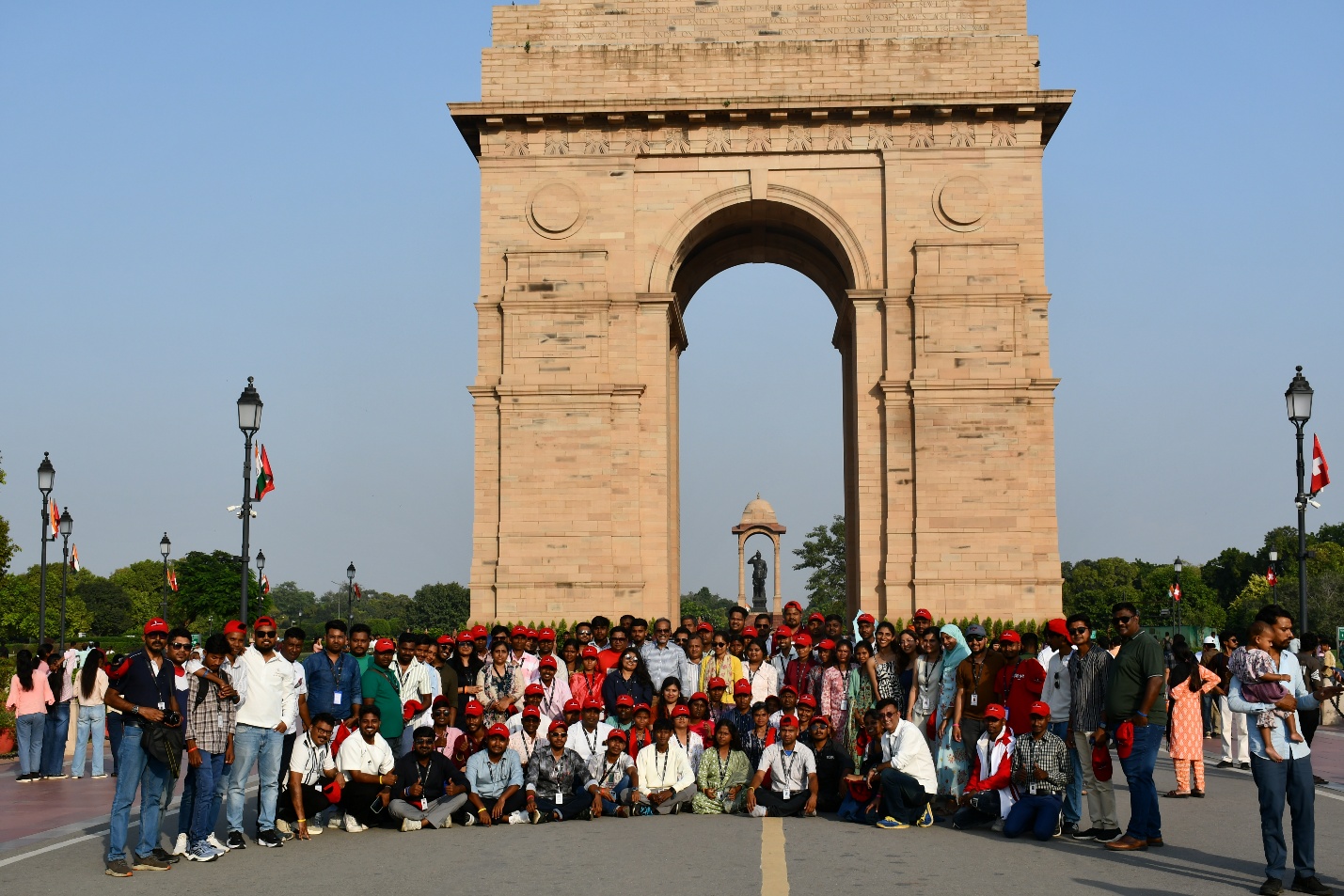
One of the strongest sentiments expressed during the retreat was the realization of being part of something larger.
Working from a district, city office or relatively isolated field location can make the organization feel like the immediate team around us. Seeing more than 105 colleagues gathered from so many states, cities, districts and functions revealed the scale and diversity of the wider organization.
"Working from a district location, it is easy to feel that you are operating on your own. Seeing so many colleagues from different states and communities reminded me that I am part of something much bigger."
The gathering helped people move from seeing the organization primarily through the experience of "my office" or "my team" to experiencing it as our organization and our mission.
A Retreat Led by Its Own People
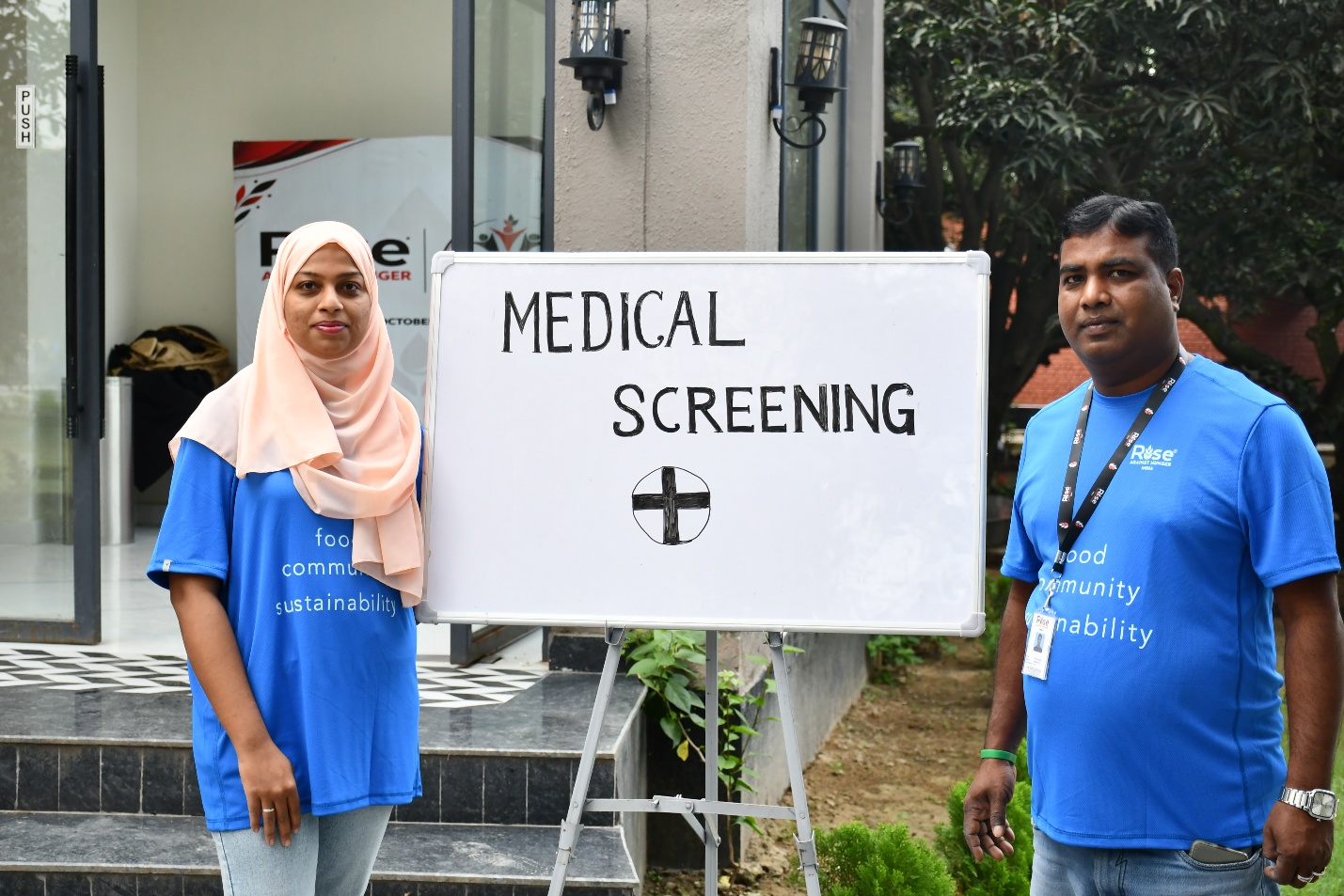
Another distinctive feature of the retreat was that it did not depend on an external facilitator. Staff members themselves planned and led the experience.
Committees comprising representatives from different locations took responsibility for the many elements required to bring the retreat together, including accommodation, travel, sports, field trips, cultural events and other logistics and activities.
This meant that the retreat was not simply an event that staff attended. It was an experience they collectively created.
Planning and delivering it required people to listen to one another, coordinate across locations, solve problems, share responsibilities and adapt when circumstances changed. It also required people to recognize that a useful idea or an effective solution could come from any colleague, irrespective of designation.
The process became a practical exercise in self-management, team leadership and collaborative decision-making. Leadership was not confined to a title. It emerged through initiative, responsibility, problem-solving and the willingness to support others.
Experiencing Equality
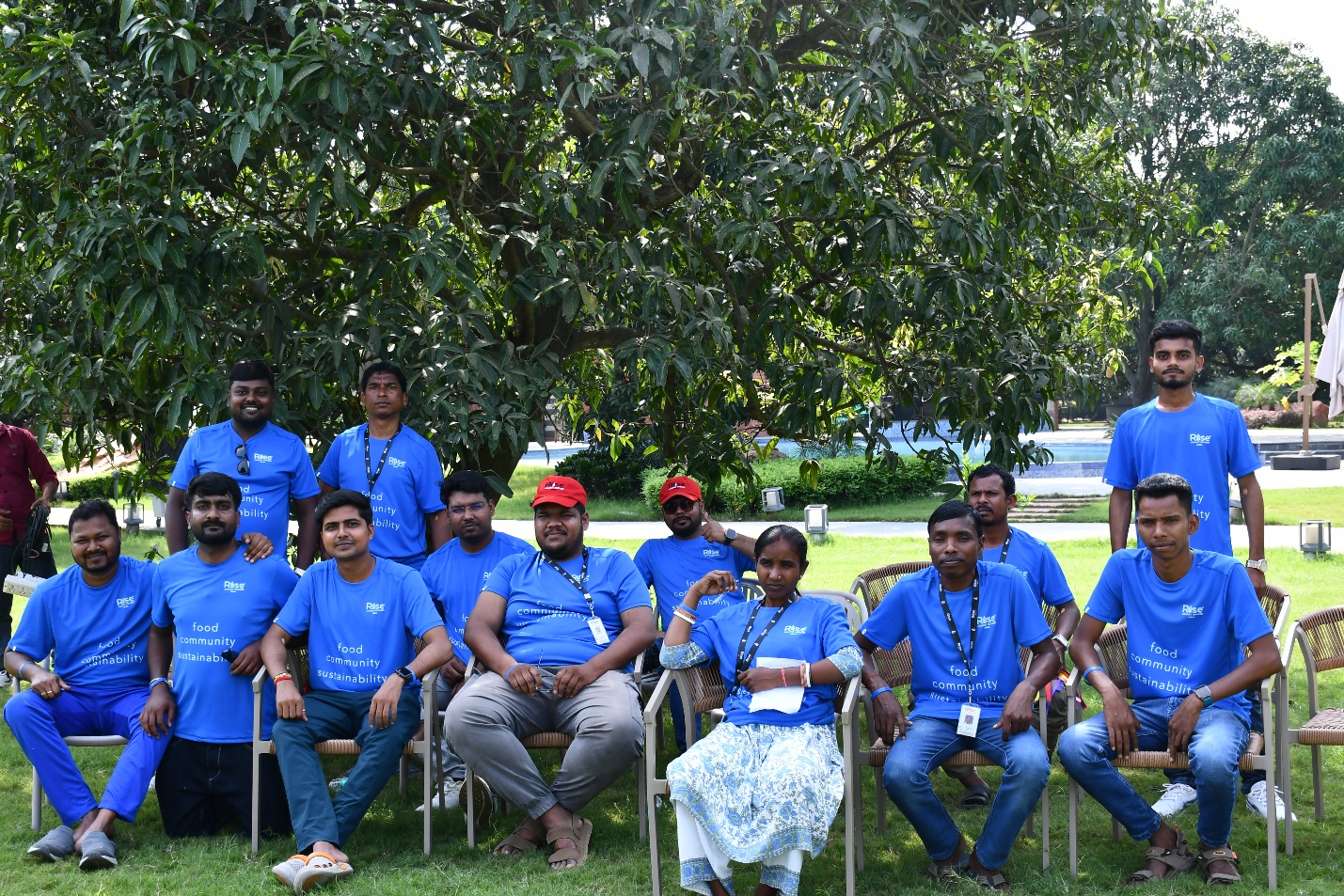
Equality and inclusion also emerged strongly in the reflections shared by participants.
Across the retreat, colleagues stayed together, shared rooms, ate together, used the same facilities and participated in the same activities. Gram Sathis, field colleagues, support staff, coordinators, managers, team leaders and senior leaders shared the same overall experience.
"Everyone was treated equally. It did not matter whether someone was a Gram Sathi, Coordinator, Manager or Senior Leader. We stayed together, participated together and shared the same experiences."
These arrangements did more than make the retreat inclusive. They created conditions for conversations that may not happen within formal office structures. Colleagues encountered one another as people, not only through their positions or responsibilities.
The retreat also created space for quieter voices. Within mixed groups and staff-led committees, participants had opportunities to contribute ideas, take responsibility and be heard. Listening to someone more junior in position was not presented as a special gesture. It was part of working effectively as a team.
Learning Through Shared Experiences
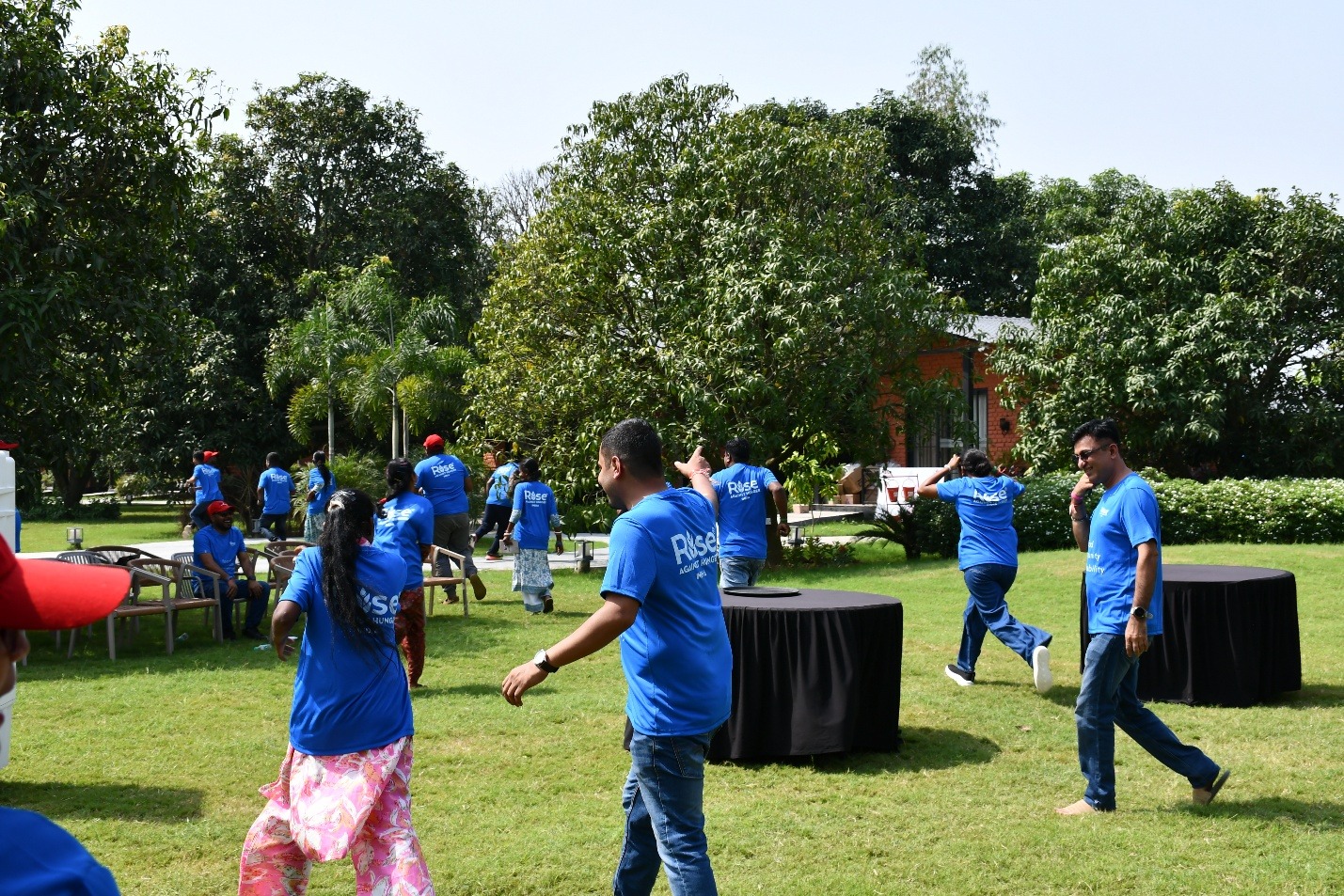
Sports, team challenges, cultural programs, field trips and informal gatherings brought energy and variety to the retreat. They also allowed colleagues to encounter capabilities and talents that are not always visible during the working day.
People who usually meet through formal work processes participated together in unfamiliar situations. The activities required collaboration, communication, creativity and mutual support. They helped loosen established patterns and allowed new relationships to emerge.
Cultural events provided space to celebrate the diversity within the organization, while sports and team activities created opportunities for people to contribute in different ways. The experience demonstrated that an organization is strengthened not only by professional expertise, but also by the varied experiences, abilities and perspectives its people bring.
Investing in the People Behind the Mission
Organizations working to address complex social challenges understandably focus on programs, partnerships, systems and results. But sustainable impact also depends on the people who translate these ambitions into action every day.
For Rise Against Hunger India, investing in people is therefore not separate from investing in the mission.
Creating opportunities for staff members to connect, lead, reflect, collaborate and learn from one another strengthens the human foundations of the organization. It supports trust across teams, builds understanding between functions and helps people see how individual roles contribute to a larger purpose.
"After hearing stories from colleagues across the country, I returned with renewed energy and motivation for the work ahead."
The retreat served as a reminder that compassion and empathy must not only shape how an organization engages with communities. These qualities must also shape how colleagues listen to, support and work with one another.
Many Places, One Mission
As participants returned to their respective locations, they carried new connections, fresh perspectives and a wider understanding of the organization to which they belong.
The Annual Staff Retreat 2026 was more than a break from routine. It became a living experience of the culture Rise Against Hunger India seeks to nurture: one where people take ownership, leadership is shared, hierarchy does not prevent participation and every colleague has something valuable to contribute.
For five days, people from many locations, functions and levels came together not simply as separate teams, but as one organization.
And while our colleagues may work in different villages, districts, cities and states, they remain united by one purpose: building a hunger-free future.
Related Stories
Kids Helping Kids! The Story and Passion Behind Our Backpack Program
At Rise Against Hunger, our staff members are frequently asked if our organization’s programs support kids here in the U.S. At our Orlando location, our staff members worked to create a way for volunteers — often youth volunteers — in their local area to support kids around the globe and in th
Rise Against Hunger Staff Member Returns to His Middle School to Spread the Word: Zero Hunger is Possible!
Steve Reiss joined the Rise Against Hunger team as Community Engagement Manager for the organization’s New York location, which opened in 2016. While Steve has spoken to countless volunteer groups over the past three years, he recently had the opportunity to speak to a group that had a special meani
Ever Wonder What it’s Like to End Hunger Full Time? Read One Staff Member’s Inspiring Story!
Hannah, our Community Engagement Coordinator in Charlotte, works to help end hunger across the globe. Day to day, Hannah is in our Charlotte location prepping for meal packaging events, handling inventory and supply needs, and running Rise Against Hunger Experience events. Read more about Hannah’s
Bells Ringing and Meals Packaged at The Wedding of West Coast Regional Account Executive
When Maya Azimioara started her journey at Rise Against Hunger in 2016, she never expected that years later her wedding would involve a Rise Against Hunger Experience that would be the talk of the town. What she did know was that she would always strive to impact and serve others. Read more below to