Importance of Maternal Nutrition for India's Future
25 June 2026By Megha K
India's Progress and the Remaining Challenge
India has made significant progress in improving maternal and child health over the past decade. However, maternal undernutrition and anaemia continue to pose major challenges. According to the Global Nutrition Report's India Nutrition Profile, 53% of women aged 15–49 years are anaemic, highlighting the widespread burden of micronutrient deficiencies among women of reproductive age.
Anaemia increases the risk of pregnancy complications, reduces energy levels and productivity, and negatively affects maternal and newborn health.
At the same time, findings from the National Family Health Survey (NFHS-6) indicate encouraging improvements in maternal nutrition services. The survey reports that 54.9% of pregnant women consumed iron-folic acid (IFA) supplements for at least 100 days, while 37.8% consumed them for 180 days or more. These figures demonstrate progress but also indicate that many women still do not receive or complete the recommended course of supplementation.
Why Maternal Nutrition Matters
Good maternal nutrition is essential for a healthy pregnancy, safer childbirth, and optimal infant development. Adequate intake of iron, folic acid, protein, vitamins, and other essential nutrients helps reduce the risk of anaemia, low birth weight, preterm birth, and poor fetal growth.
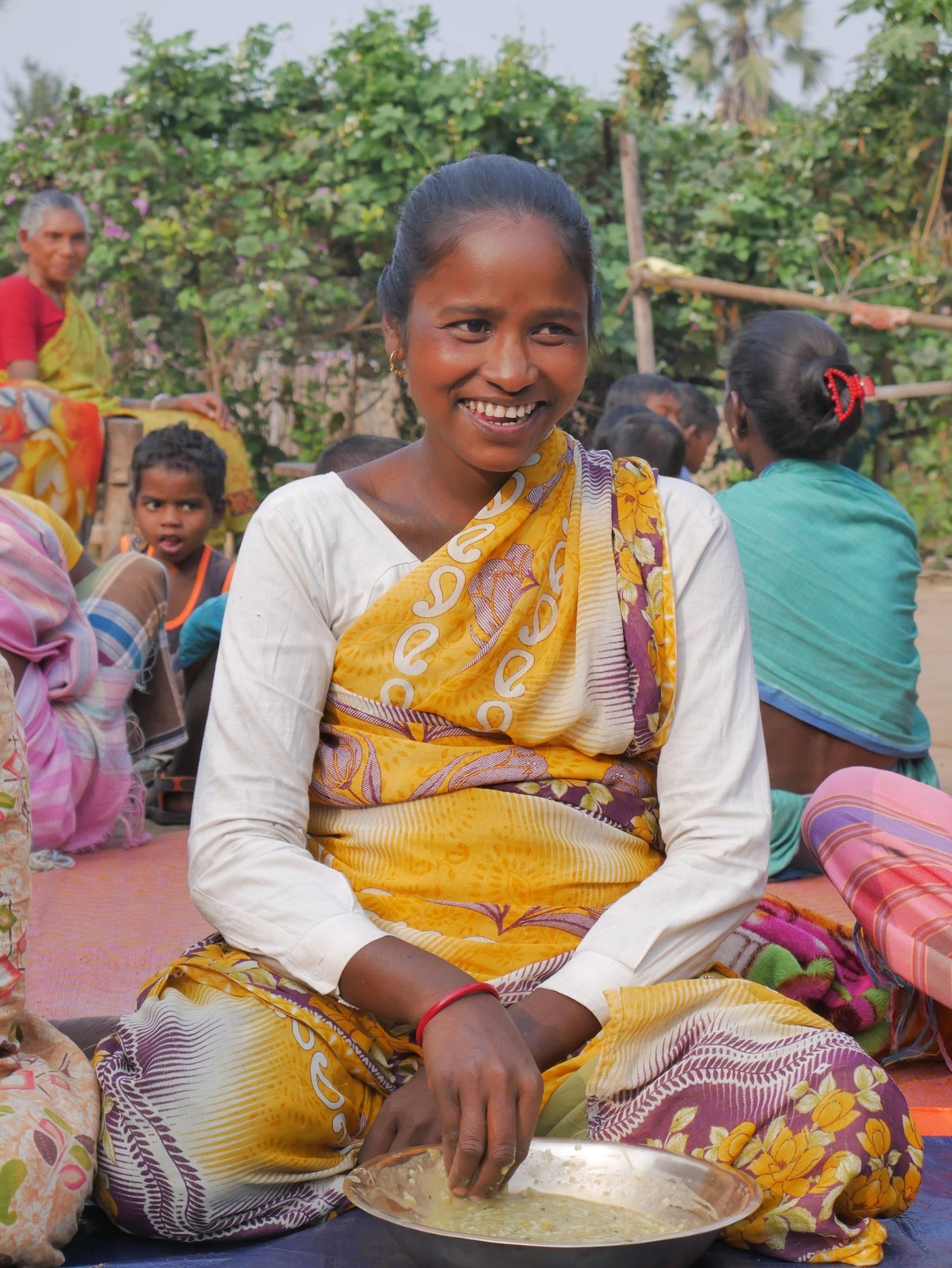
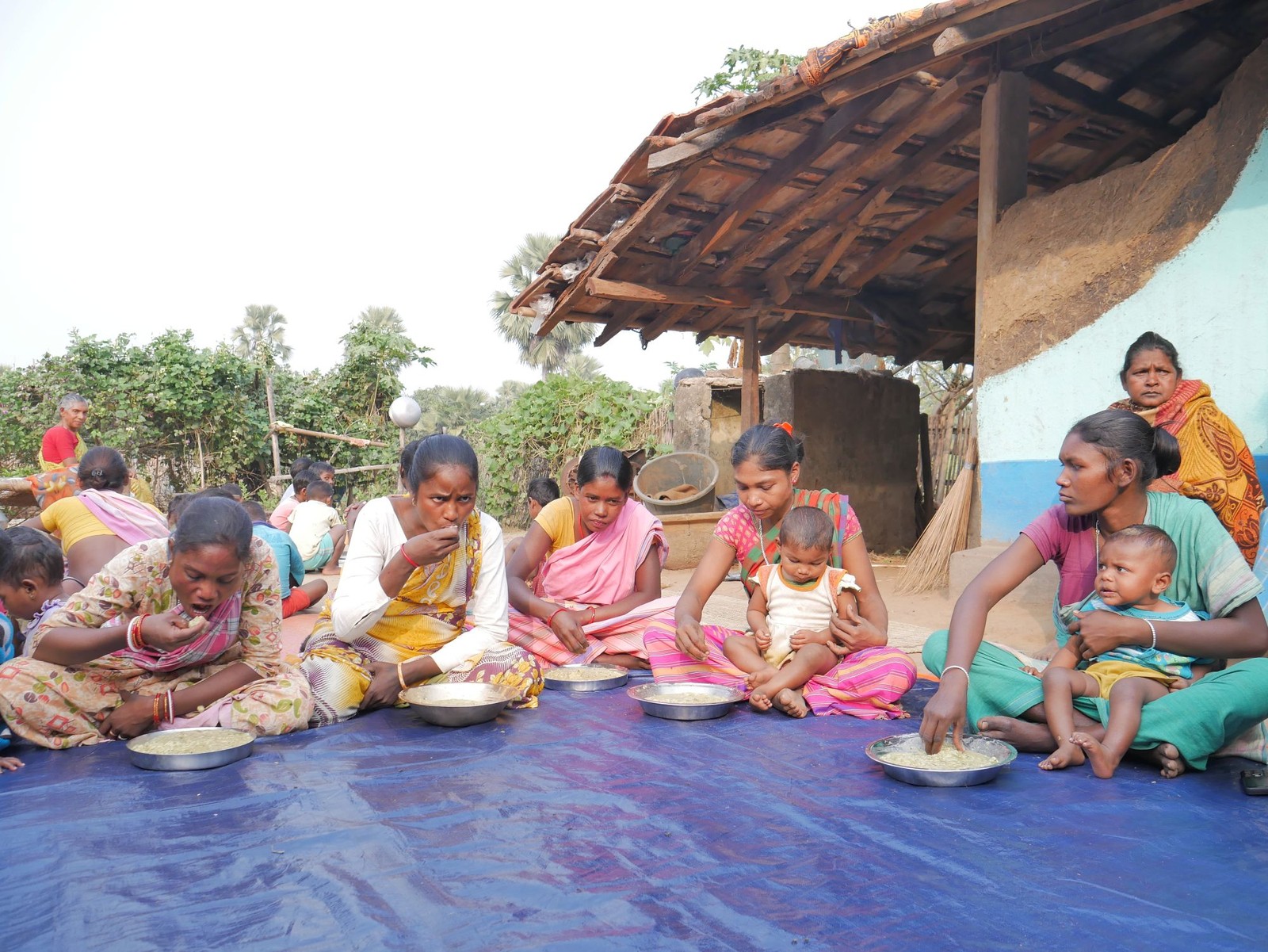
A pregnant woman having her meal at a RAHI Community Kitchen Centre
The benefits extend far beyond pregnancy. Well-nourished mothers are more likely to give birth to healthier babies who have stronger immunity, better cognitive development, improved school readiness, and greater potential for lifelong health and productivity.
Conversely, when women enter pregnancy undernourished, both mother and child face a greater risk of adverse health outcomes. This creates an intergenerational cycle of malnutrition, poor health, and poverty that can persist for years. Improving maternal nutrition is therefore not just about supporting one pregnancy — it is about transforming the health and wellbeing of future generations.
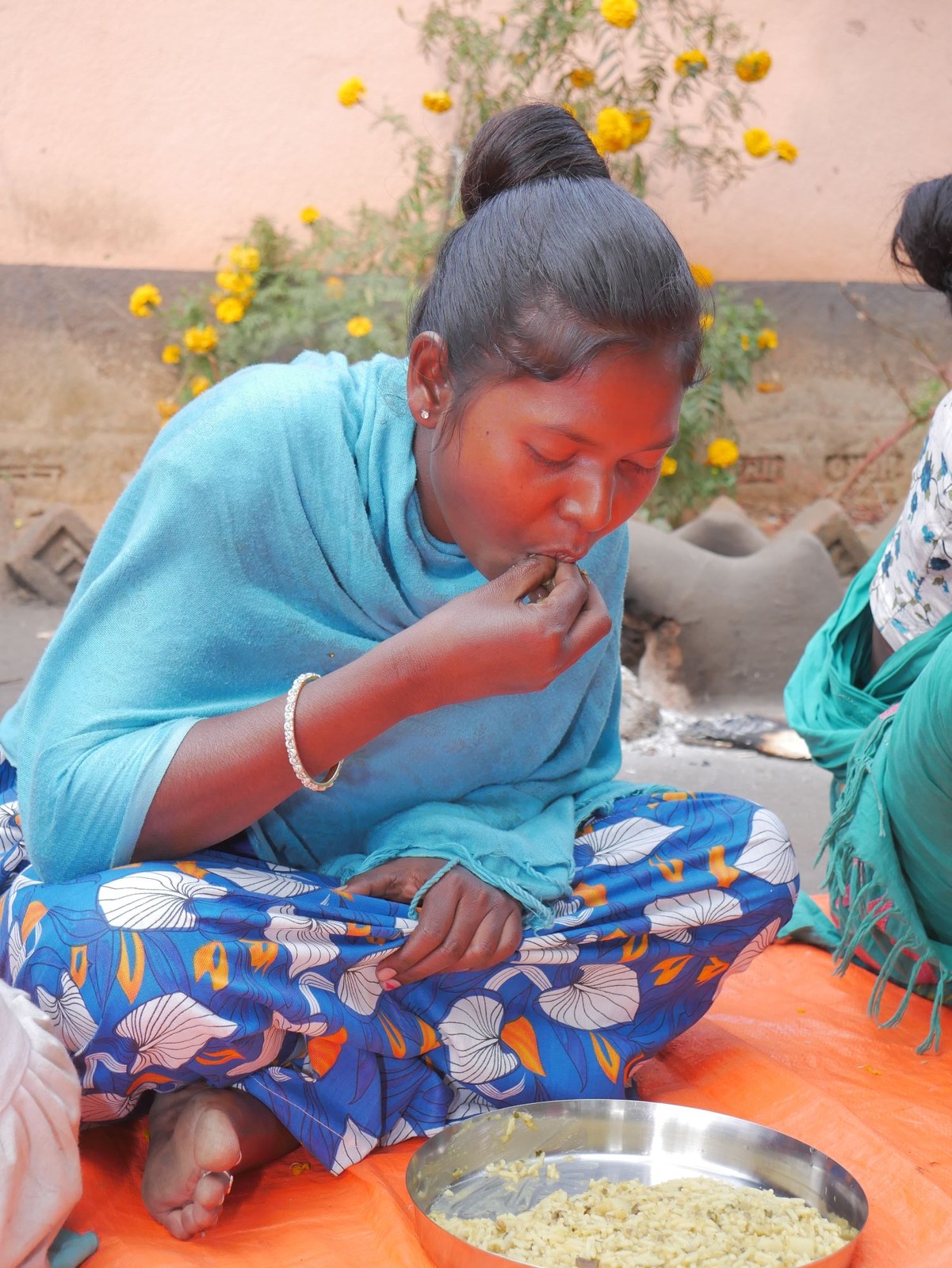
Nutritious meals reaching mothers through RAHI's Community Kitchen Centres
Key Indicators: Why It Matters
Indicator
Latest Figure (India)
Why It Matters
Source
Women (15–49 years) with anaemia
53.0%
Anaemia increases the risk of maternal mortality, preterm birth, and low birth weight.
Global Nutrition Report – India Profile (UNICEF)
Pregnant women consuming IFA tablets for 100+ days
54.9%
Indicates uptake of essential antenatal nutrition services.
NFHS-6 Fact Sheets (2023–24)
Pregnant women consuming IFA tablets for 180+ days
37.8%
Reflects adherence to the recommended supplementation duration.
NFHS-6 Fact Sheets (2023–24)
Anaemia among pregnant women
≈ 50%
Half of pregnant women suffer from anaemia, increasing maternal and newborn health risks.
WHO Nutrition Landscape Information System
Low Birth Weight (<2.5 kg) babies
18.2%
Often linked to poor maternal nutrition and inadequate pregnancy care.
NFHS-4 / WHO Nutrition Landscape
Population using improved sanitation
39.6%
Poor sanitation contributes to infections that worsen maternal and child undernutrition.
WHO Nutrition Landscape Information System
Institutional deliveries (NFHS-6)
90.6%
Institutional births improve access to nutrition counselling and emergency maternal care.
Ministry of Health / NFHS-6
Antenatal Care (ANC) coverage
95.9%
High ANC coverage creates opportunities to deliver nutrition interventions.
Ministry of Health / NFHS-6
What Can Improve Maternal Nutrition?
Improving maternal nutrition requires a comprehensive and life-cycle approach that begins well before pregnancy. Women need access to quality antenatal care, regular nutrition counselling, iron-folic acid supplementation, diverse and balanced diets, and affordable nutritious foods.
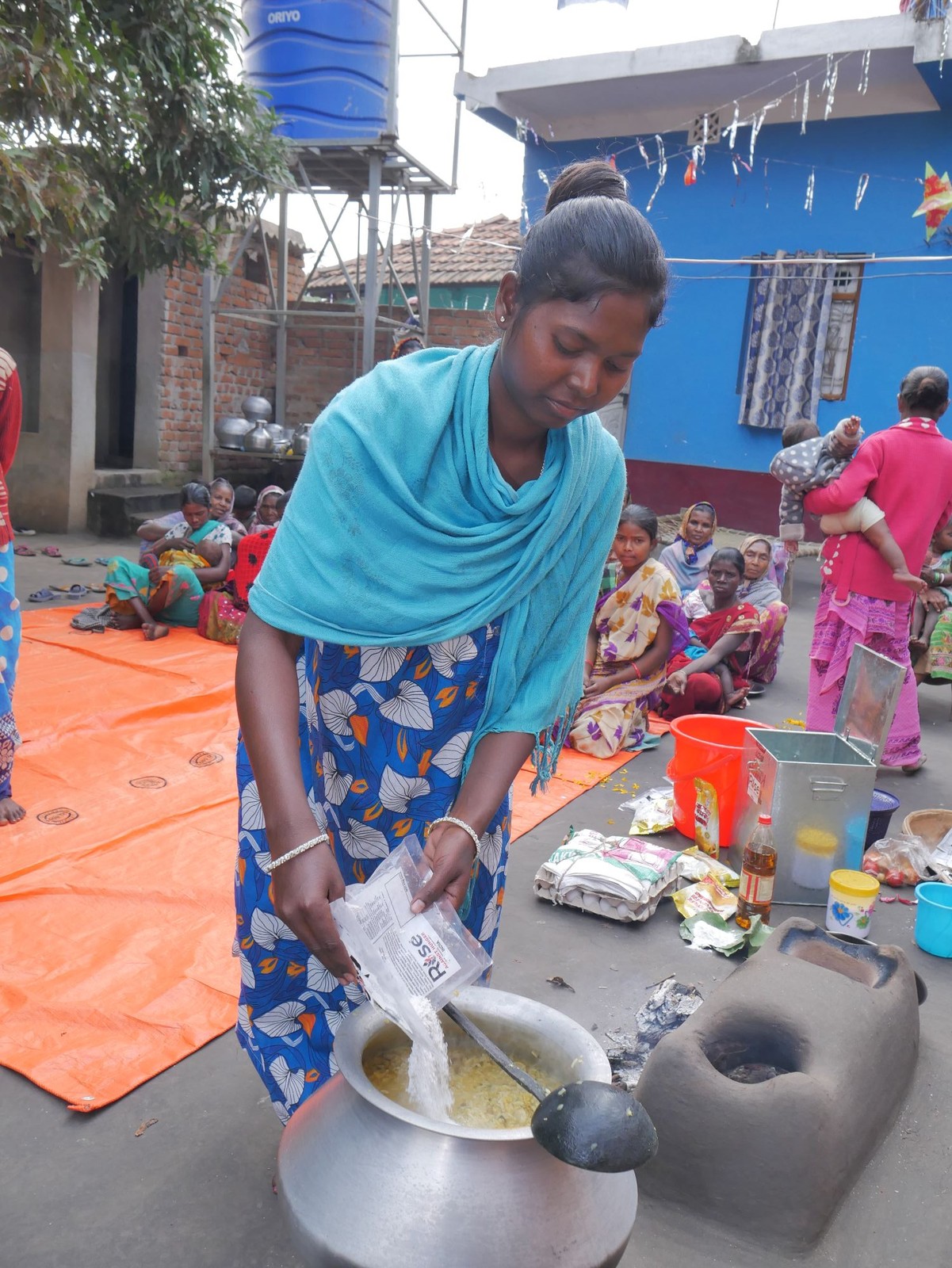
Mothers cook nutritious meals by rotation, adding fresh vegetables from their kitchen gardens
Strengthening community support systems and improving awareness among families also play a vital role in ensuring healthy pregnancies.
Equally important is investing in adolescent nutrition, pre-conception care, and routine health screenings so that women begin pregnancy with adequate nutritional reserves.
Frontline health workers — including Anganwadi Workers, ASHAs, and public health institutions — remain central to delivering these essential services and connecting women with timely care.
When families, communities, healthcare systems, and policymakers work together, maternal nutrition becomes a powerful driver of better health and human development.
Investing in India's Future
A well-nourished mother is more likely to give birth to a healthy child, and healthy children are better equipped to learn, thrive, and contribute meaningfully to society. Improving maternal nutrition not only reduces maternal and infant mortality but also strengthens the country's future workforce and economic growth.
At Rise Against Hunger India, maternal health remains central to our mission of ending hunger and malnutrition. Through our Maternal and Child Health & Nutrition Programme, we have reached thousands of pregnant and lactating women and young children across India — by providing nutritious meals, nutrition education, health services, and community-based support.
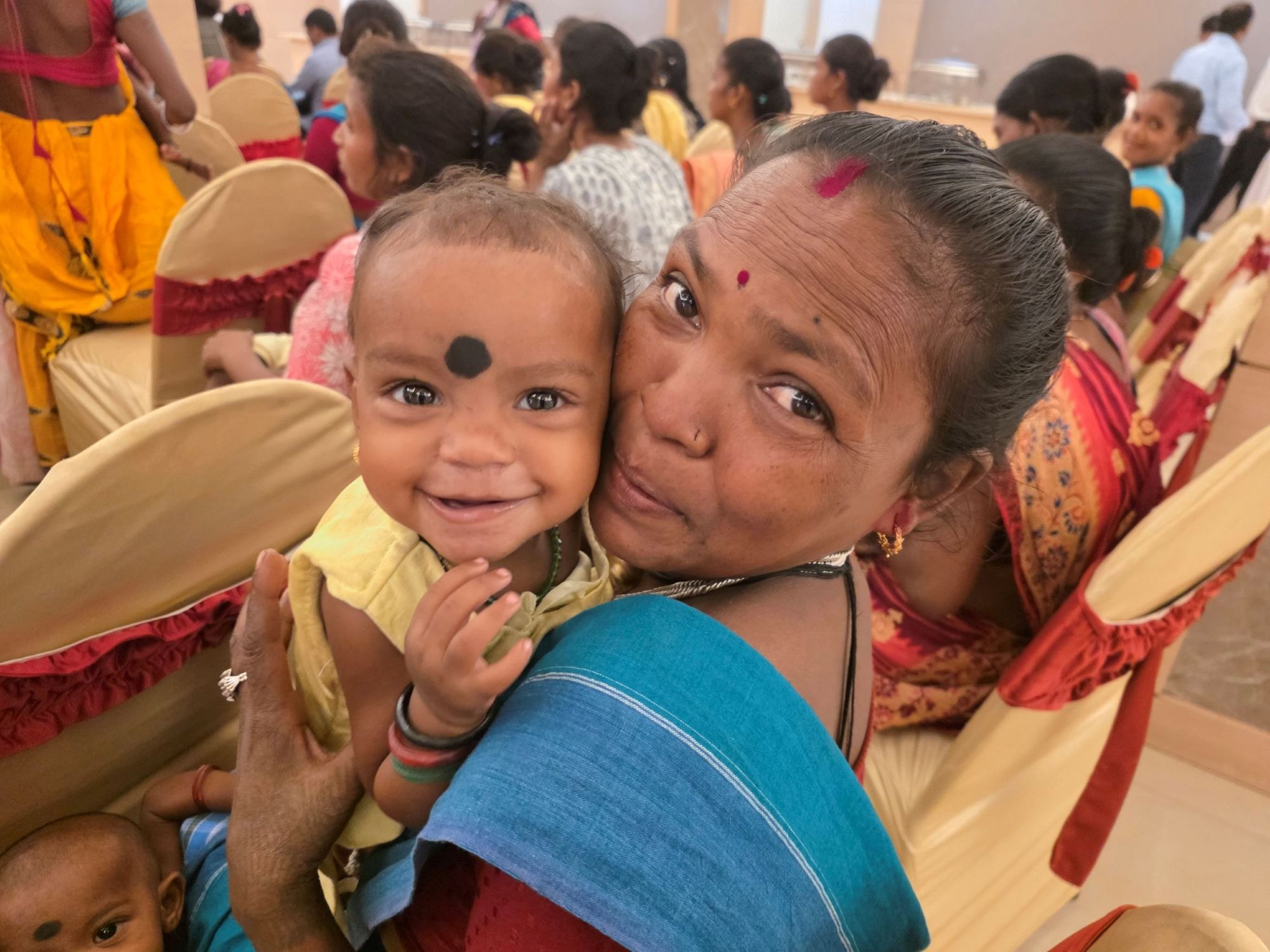
Mothers and children receiving cooked meals at RAHI's Community Kitchen Centres
By combining nutrition interventions, community participation, and improved access to healthcare, we are helping mothers and children build healthier futures. Investing in maternal nutrition today is an investment in a healthier, more resilient, and more prosperous India tomorrow.
Nutrition Every Day Podcast Returns with Season 2: Deepening India’s Nutrition Conversation
The #EverydayNutrition podcast is back with Season 2 — expanding the conversation across maternal health, food systems, consumer awareness, and emerging nutrition challenges. A collaboration between Rise Against Hunger India and The Good Sight Webzine & Podcast.
Thought LeadershipJun 2026
Rising for Resilience: Reflecting on Our Journey and the Road Ahead (2025–2028)
As Rise Against Hunger India moves through the implementation of its Country Strategy Plan (2025–2028), we reflect on the progress made, the lessons learned, and the path forward — grounded in two powerful ideas: agency and resilience.
Thought LeadershipAug 2025
Everyday Nutrition Podcast Series
Rise Against Hunger India in collaboration with The Good Sight Webzine and Podcast is doing a podcast series titled Everyday Nutrition. The blog lists down some of the episodes.
Thought LeadershipJun 2022
How Hunger Kills - Effects of Chronic Hunger
This guest blog explains how chronic hunger affects functioning of human body and impedes mental acuity which can have intergenerational implications.