From Silence to Enterprise: A 3-Year Reflection on Agency and Trust
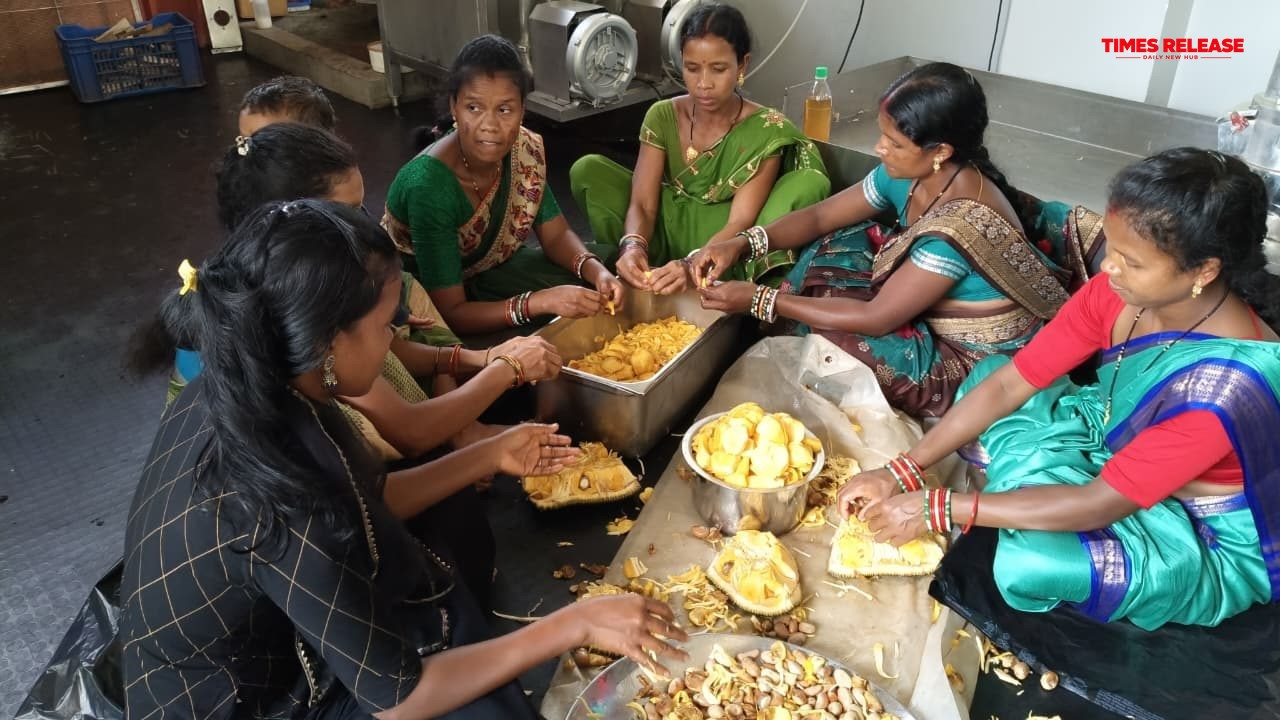
The Bonda: Among India's Oldest and Most Isolated Communities
The Bonda — also known as the Bondo or Remo — are one of India's most ancient Austroasiatic indigenous communities. They live in the remote, forested hills of the Khairput block in Malkangiri district, southern Odisha, a region so isolated that many villages are accessible only by foot trails. With a population of just over 12,000, they are classified by the Government of India as a Particularly Vulnerable Tribal Group (PVTG), one of only 75 such groups across the country identified as being at risk of declining population and pre-agricultural livelihoods.
The Bonda have maintained a fiercely independent way of life for centuries. They speak Remo, a language with no written script. They practice shifting cultivation on hill slopes and collect non-timber forest produce - jackfruit, mangoes, bamboo shoots, moringa, hill brooms - for sustenance and trade. The women are known for their striking traditional appearance: intricately handcrafted bead necklaces, nose rings, and distinctive headwear, all designed and made by the women themselves using skills passed down through generations.
Despite this rich cultural heritage, the Bonda face mounting challenges - deforestation, water scarcity, climate change, and economic pressures that have pushed many families to migrate for daily wage labour. Historically, the community has been wary of outsiders, having seen decades of well-intentioned visitors arrive with project plans and promises, only to leave.
When We First Met: 2023
In 2023, when we met this group of women for the first time, where Rise Against Hunger India had just begun working with the Bonda community to strengthen livelihoods through two pathways: a) enhancing their traditional beadmaking and artistry skills - the exquisite ornaments that Bonda women have crafted for generations – and, b) building a value chain around the non-timber forest produce they have always collected but typically sold to middlemen at a fraction of its real worth.
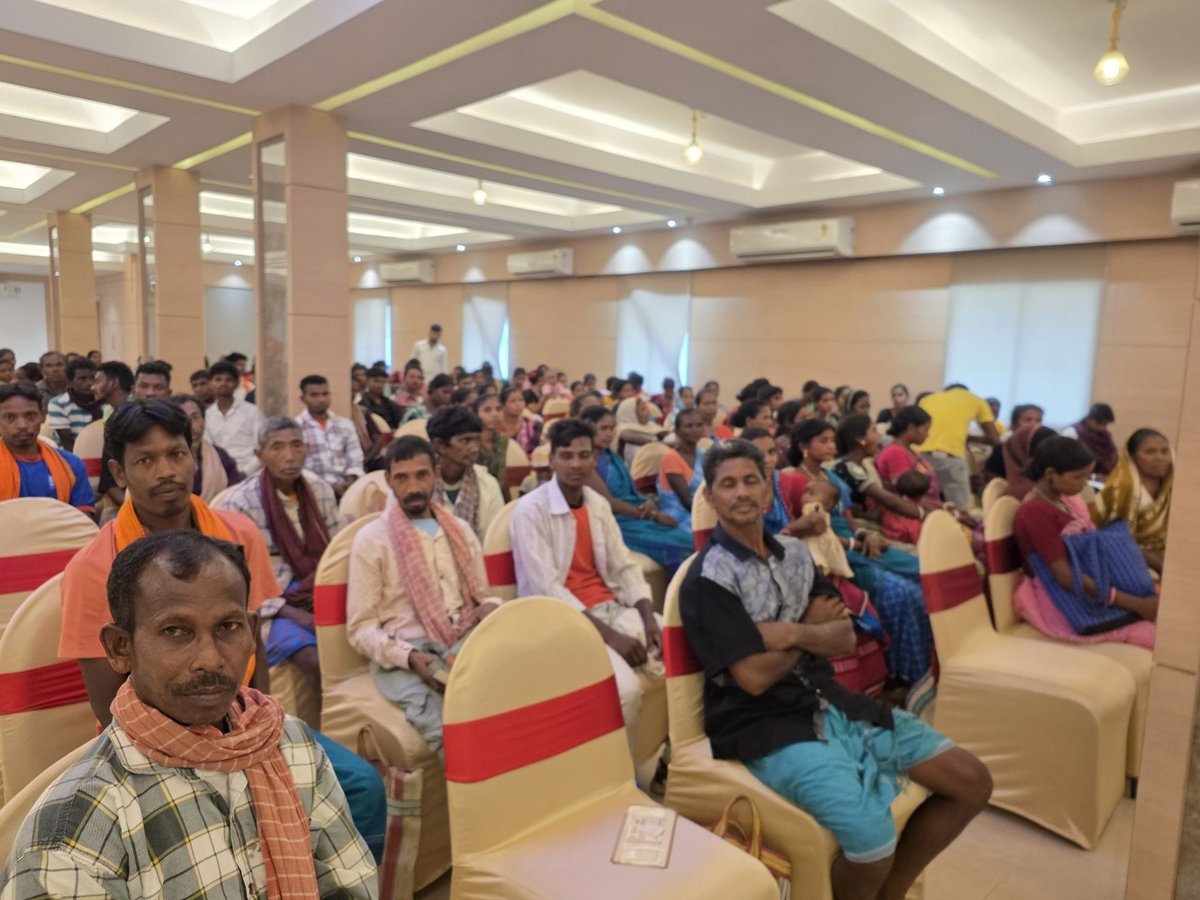
I remember that first meeting vividly. Despite our best efforts, we could barely get a response from anyone in the open hall. Getting someone to simply introduce herself felt like progress.
I understood why. Earning the trust of a community that has seen outsiders come and go for decades is not something that happens in a workshop or a project cycle. It requires something deeper - consistent presence, patience, and genuine respect for their ways.
What made the difference over the following years was our approach. Our local volunteers — people from the region who understood the community's rhythms and culture — maintained constant interaction through ongoing activities. Community elders provided leadership support, helping to bridge the gap between an external organization and the deeply rooted traditions of the Bonda. Slowly, through sustained presence and small acts of reciprocity, trust began to form.
Fast Forward to August 2026
In August, seven women from that same community were in Bangalore - they had travelled from their remote villages in Odisha all the way for a technical training in food drying and processing at Jain University.
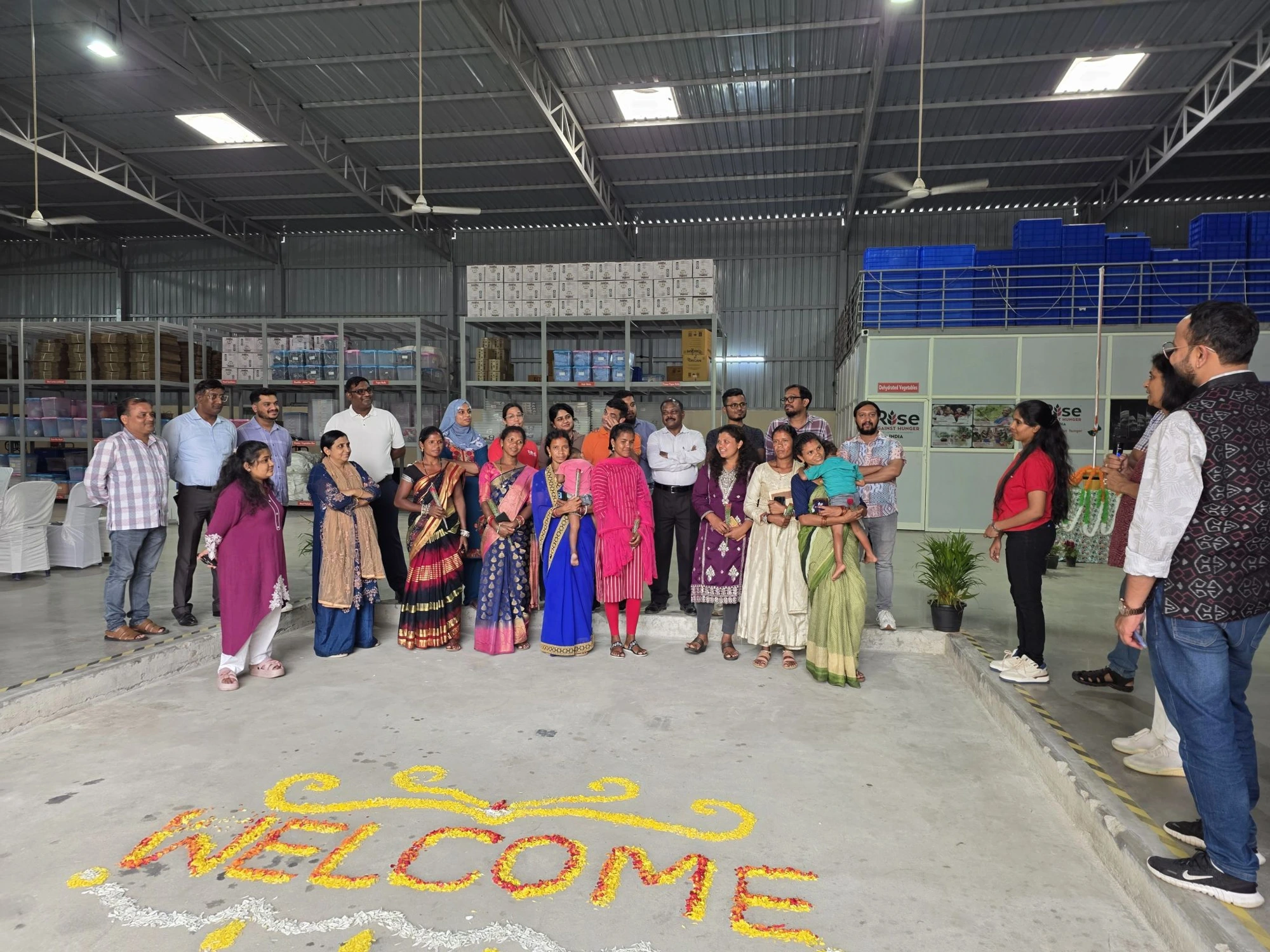
But they did not come as beneficiaries. They came as entrepreneurs.
Today, these women are Directors and office bearers of the Amakund Farmer Producer Company (FPC), an enterprise they have built together from the ground up.
Building an Enterprise from Forest and Tradition
Together, these women have achieved what many would have thought impossible just three years ago:
- Formed and registered their own Farmer Producer Company — the Amakund FPC
- Opened and managed formal banking relationships independently
- Obtained e-commerce registrations to access wider markets
- Developed a market-ready catalog of traditional bead jewellery and handcrafted materials
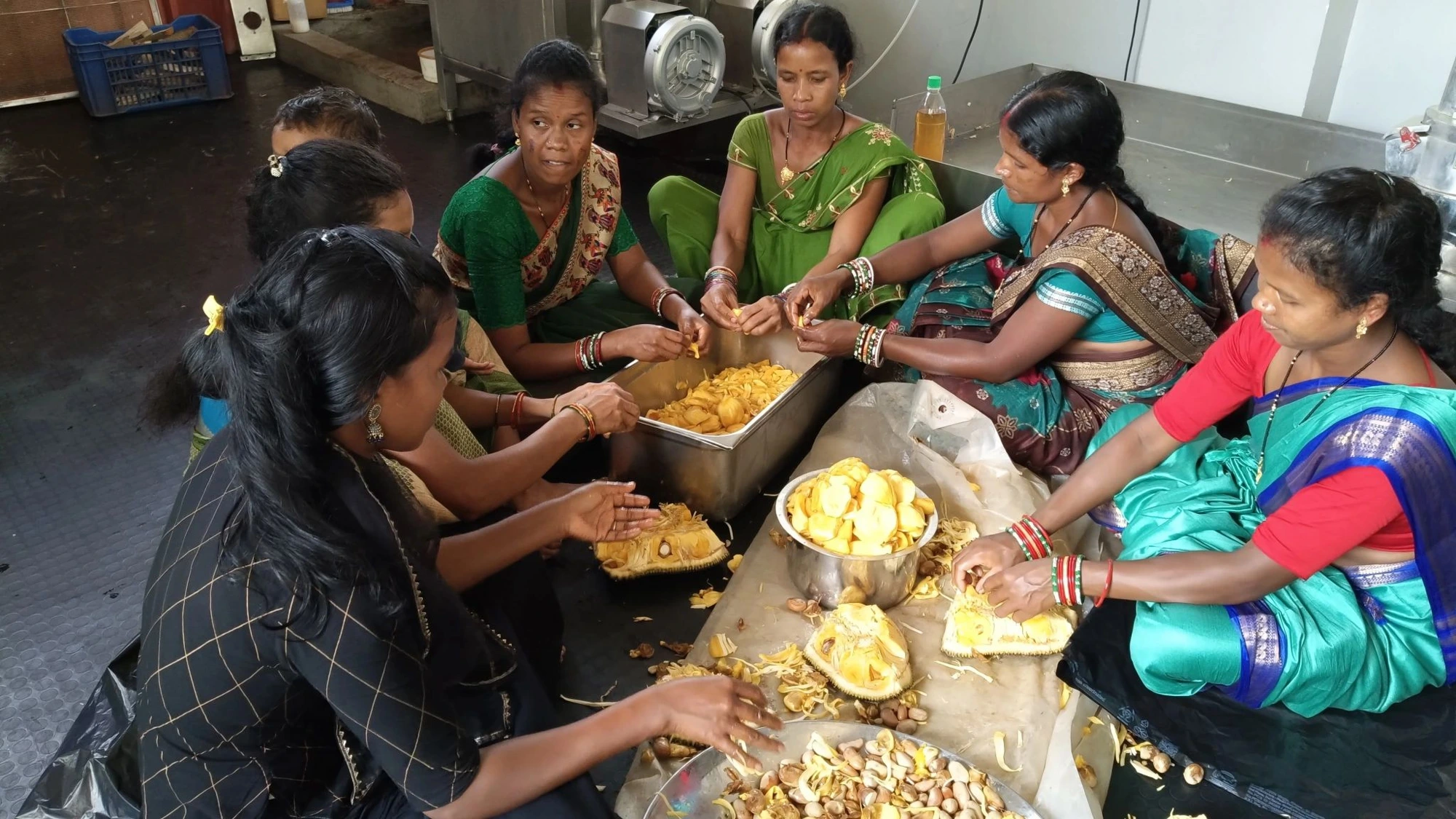
- Begun building enterprises around forest produce — jackfruit, bamboo shoots, moringa, and tamarind — that was once sold to middlemen for a fraction of its value
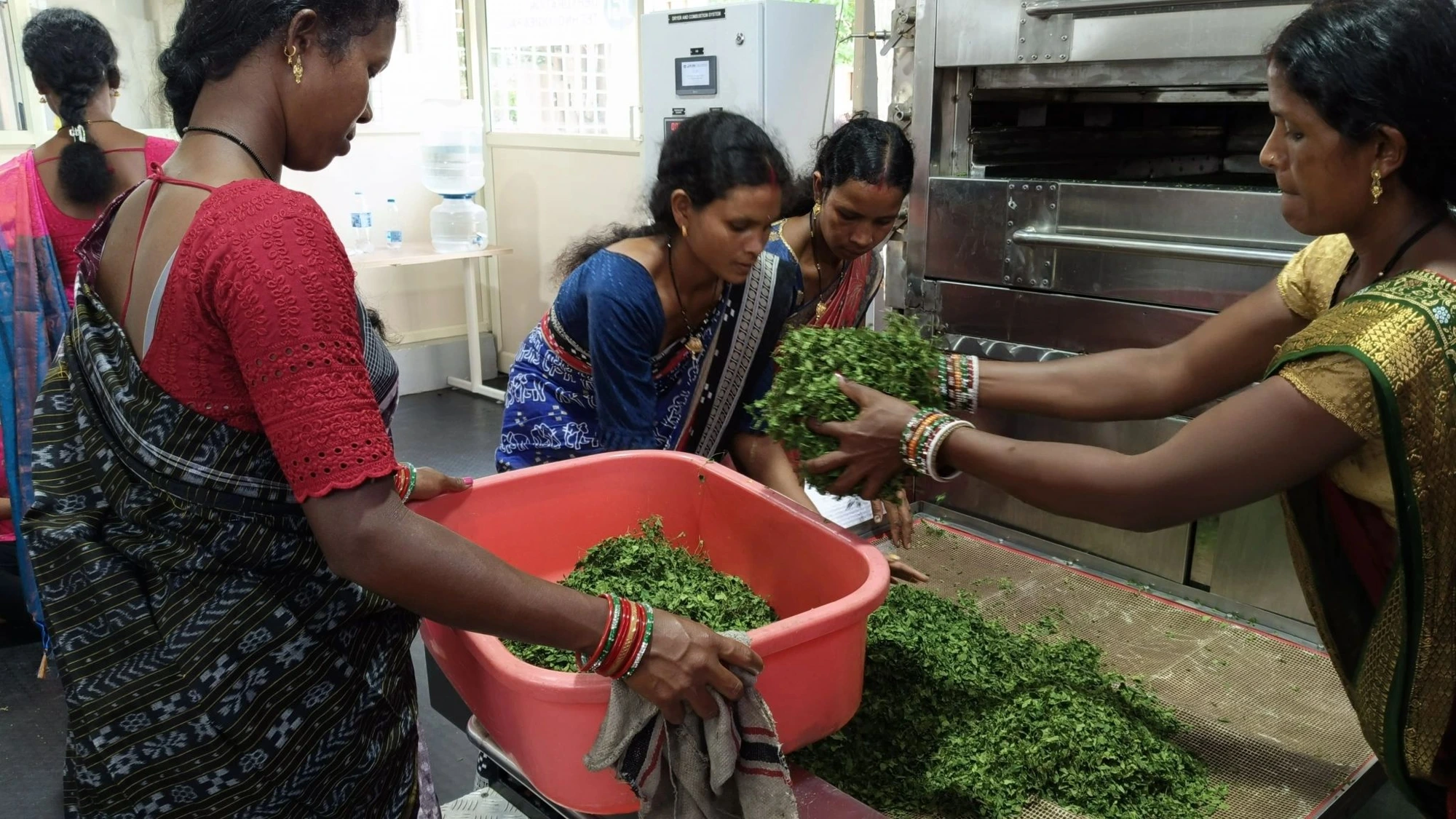
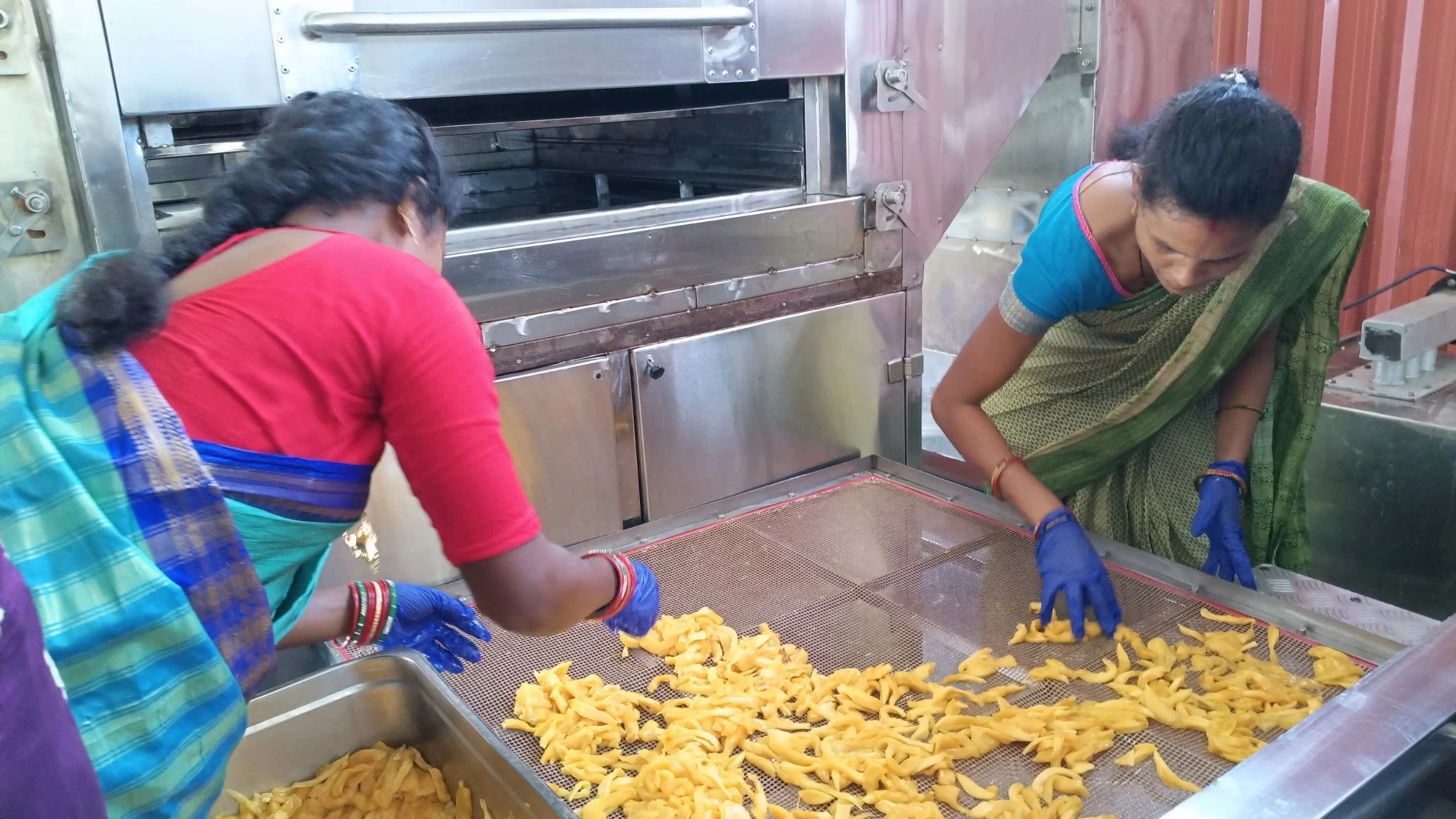
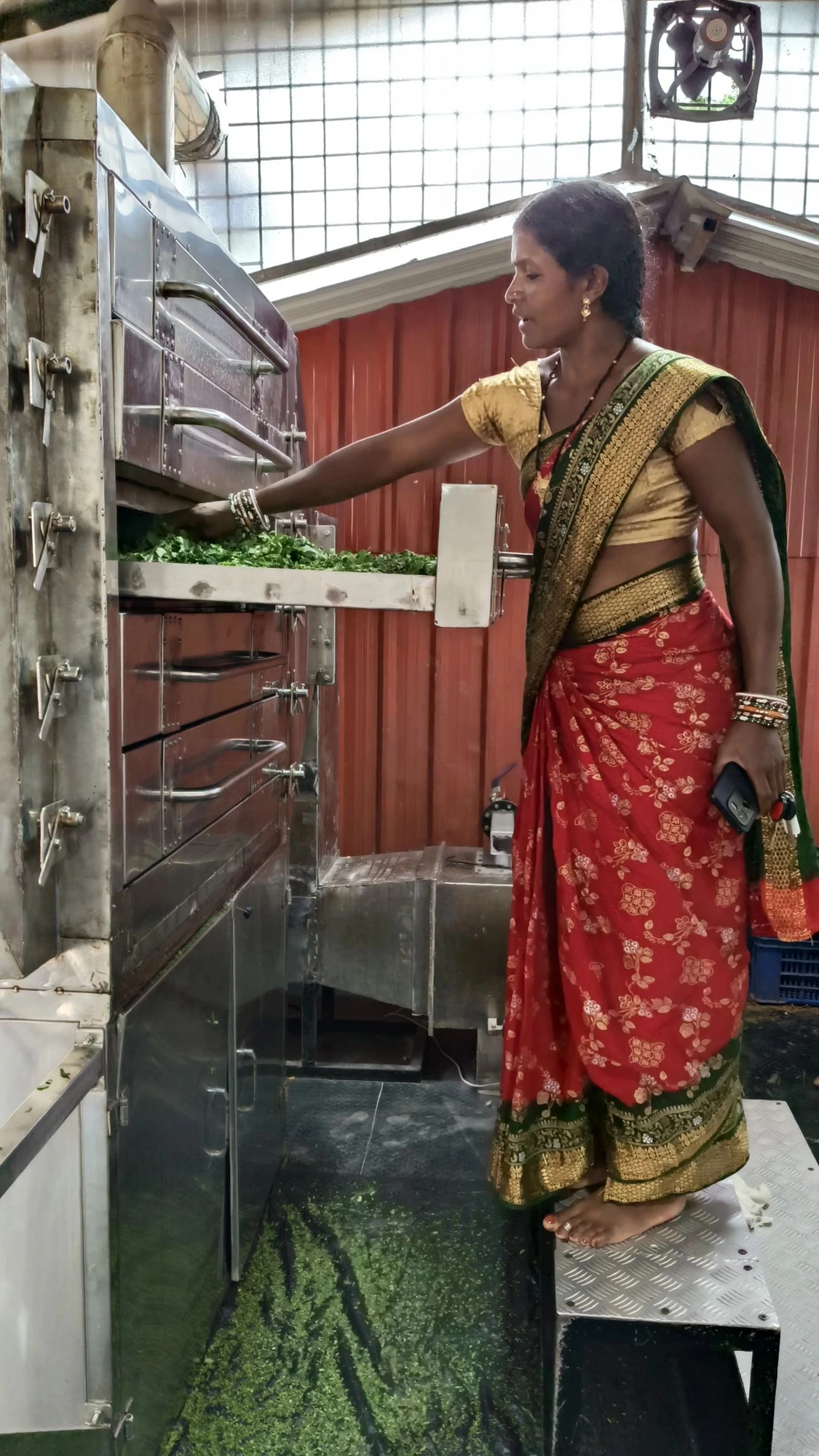
- Travelled across states to learn how to operate food processing and drying technologies at Jain University, Bengaluru
The forest produce value chain is particularly transformative. For generations, Bonda families collected jackfruit, bamboo shoots, and leafy greens from the surrounding forests, only to sell them raw to traders who paid very little. Now, with access to food processing and drying technology, these women can process the same produce into shelf-stable, market-ready products - dried jackfruit chips, moringa powder, processed bamboo shoots - that command significantly higher prices and can be sold through their own e-commerce channels.
The Real Transformation: Agency
The enterprises, the technology, the formal registrations - all of these are significant milestones. But what truly characterizes the past three years is the transformation in human agency.
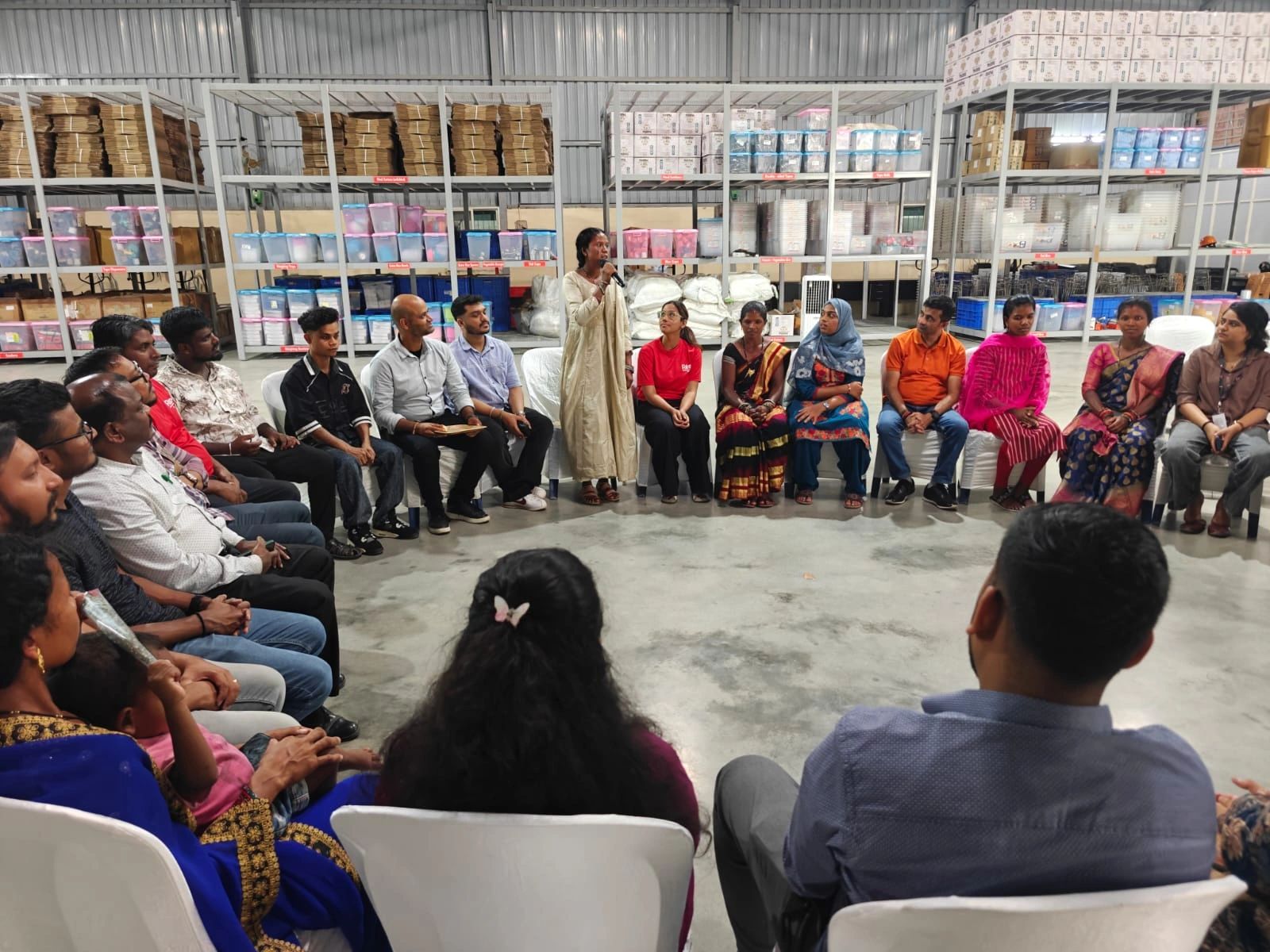
Watching women who once hesitated to speak now address a room full of professionals, ask probing questions, engage confidently in discussions, and make decisions about their enterprise was deeply moving.
A Magical Moment
To mark their visit to Bengaluru, we invited the women to our office for a meeting and sharing session with the entire staff.
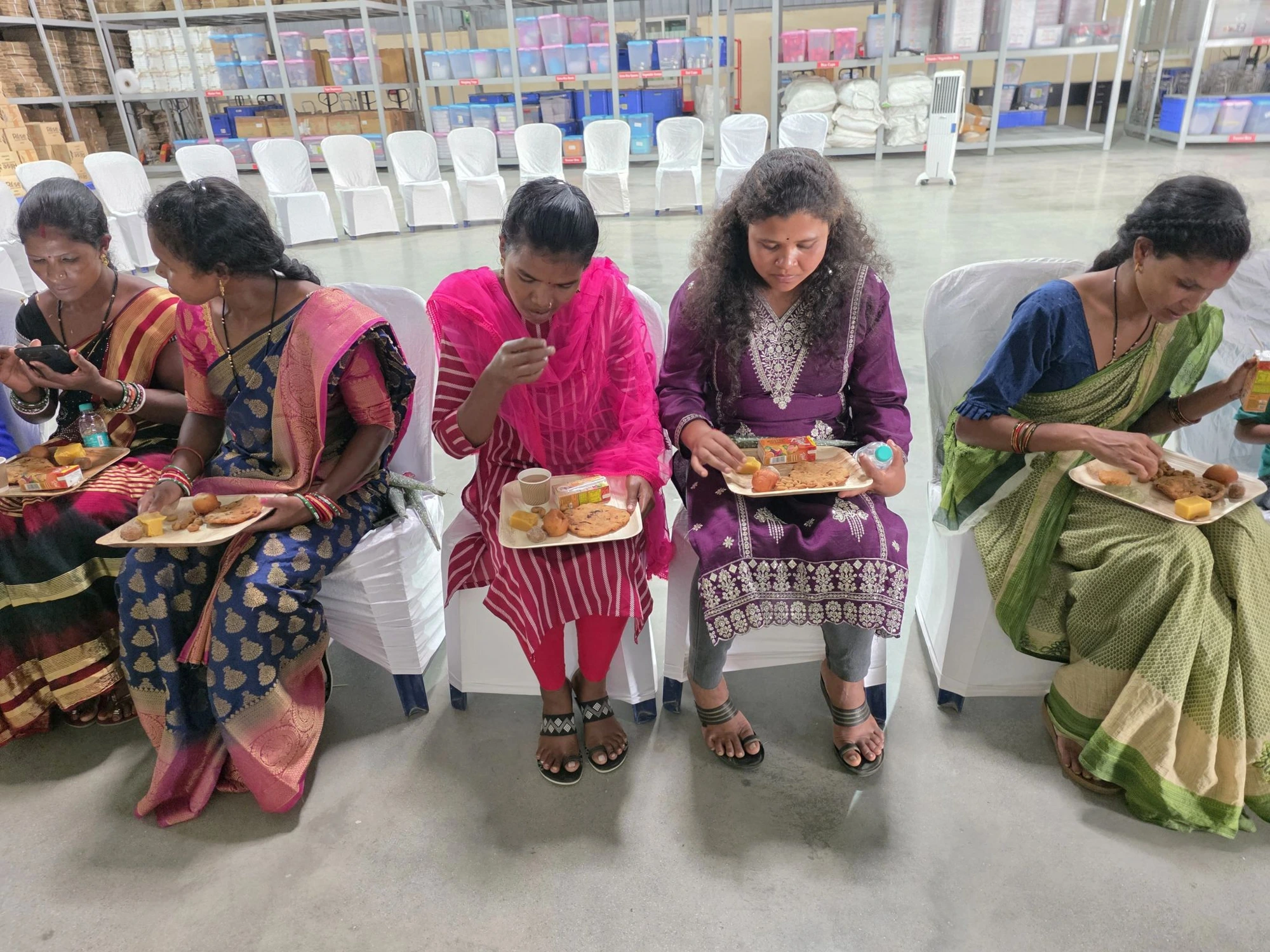
And then something unexpected and magical happened.
The visitors joined us in dancing. Soon, they were teaching us their traditional Bonda songs and insisting that we dance along with them.
Three years ago, getting someone to say her name felt like an achievement.
This week, they were laughing, singing, leading and teaching us their dance steps.
What True Development Looks Like
Perhaps the most meaningful sign of agency is not that these women are mastering new tools and technologies.
It is that they trusted us enough to invite us into their world.
True development is not about giving people a voice. They already have one. It is about showing up consistently enough to earn trust, creating the space for people to exercise their own agency, and having the humility to listen.
The journey of the Bonda women is far from over. As the Amakund Farmer Producer Company grows, so will the possibilities for these women, for their villages, and for the community's next generation. If you would like to support livelihood programs like this one, consider making a donation to Rise Against Hunger India.
Related Stories
The Subtle Line Between Support and Control: Reflections from the Field
A field visit to Jharkhand for income-generation planning revealed how easily well-intentioned support can shift into control — and what it takes to truly enable people to think and decide for themselves.
Rising for Resilience: Reflecting on Our Journey and the Road Ahead (2025–2028)
As Rise Against Hunger India moves through the implementation of its Country Strategy Plan (2025–2028), we reflect on the progress made, the lessons learned, and the path forward — grounded in two powerful ideas: agency and resilience.
Importance of Maternal Nutrition for India's Future
India has made significant progress in improving maternal and child health, yet 53% of women aged 15–49 remain anaemic. Improving maternal nutrition is not just about supporting one pregnancy — it is about transforming the health and wellbeing of future generations.
Nutrition Every Day Podcast Returns with Season 2: Deepening India’s Nutrition Conversation
The #EverydayNutrition podcast is back with Season 2 — expanding the conversation across maternal health, food systems, consumer awareness, and emerging nutrition challenges. A collaboration between Rise Against Hunger India and The Good Sight Webzine & Podcast.