Beyond the Boardroom: A Board Field Visit to Bastar and Dantewada
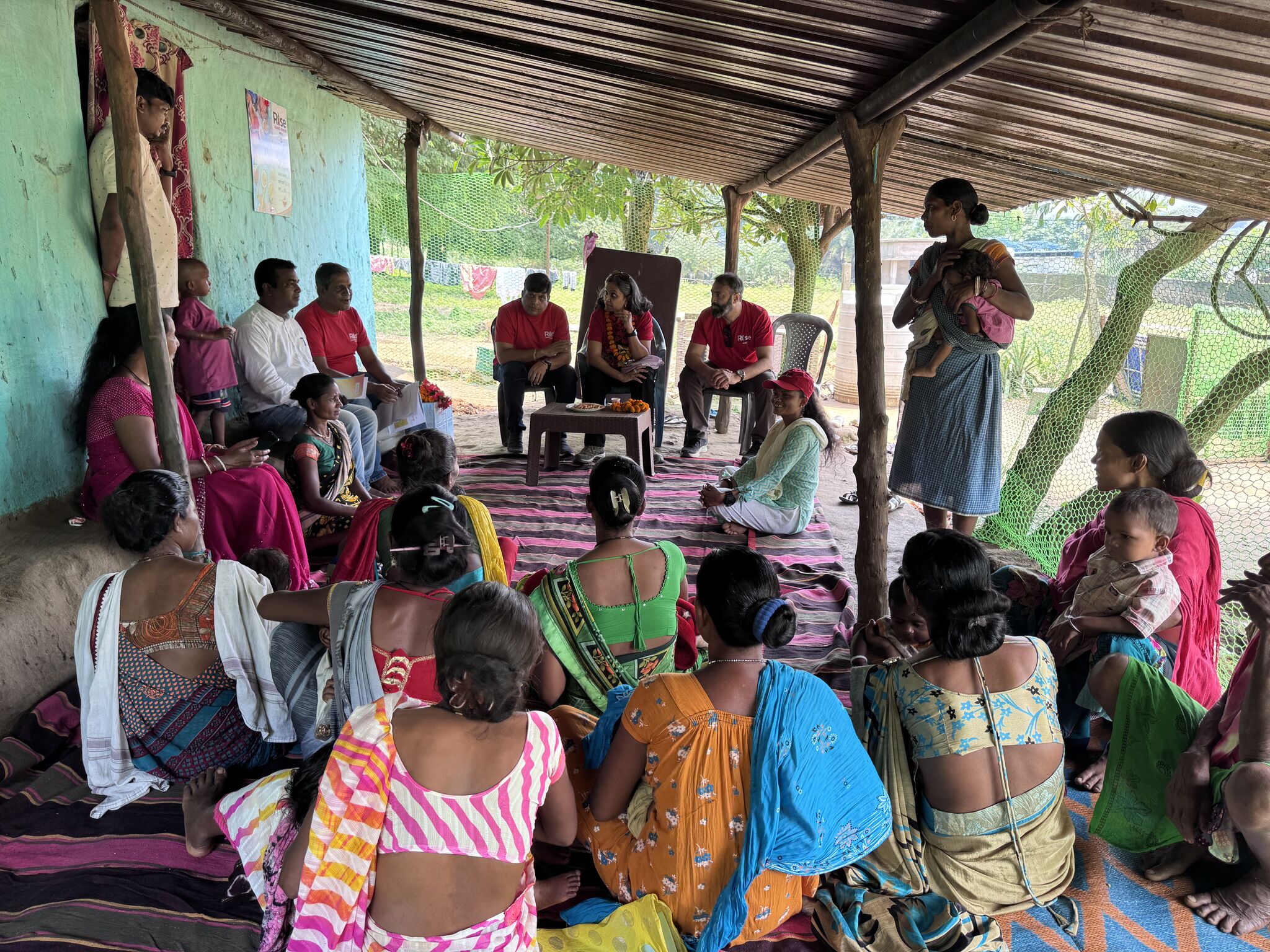
A trustee's reflections from the annual RAHI board field visit to the villages of Bastar, Jagdalpur, and Dantewada in Chhattisgarh.
Some journeys take you places. Others bring you closer to purpose.
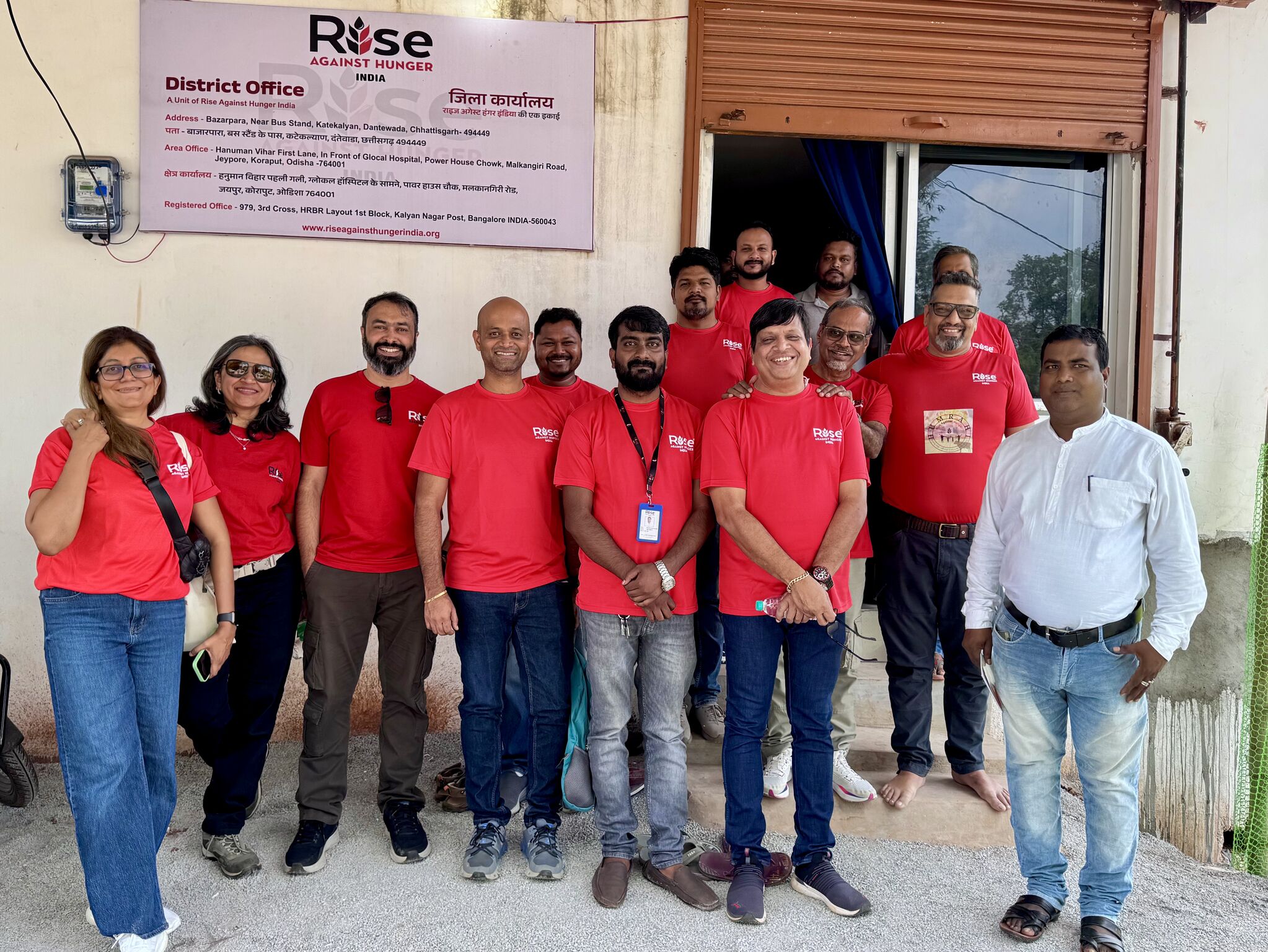
Our annual Rise Against Hunger India board field visit to Bastar, Jagdalpur, and the villages of Dantewada district in Chhattisgarh was a powerful reminder of why this work matters. Every year, the board travels to one of our operational areas to see programs firsthand, meet the communities we serve, and listen to the field teams who carry this mission forward every day.
From Strategy to Ground Reality
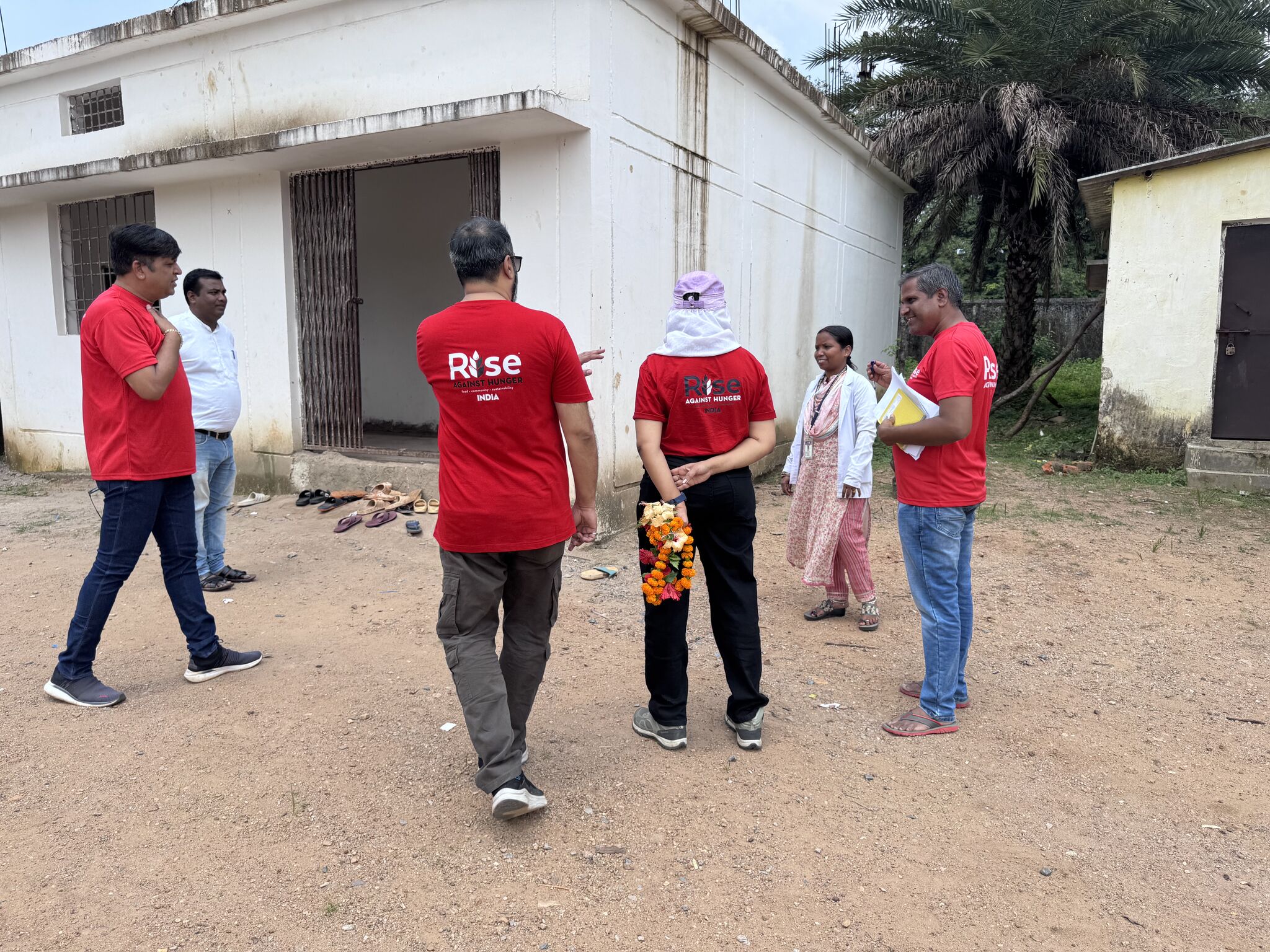
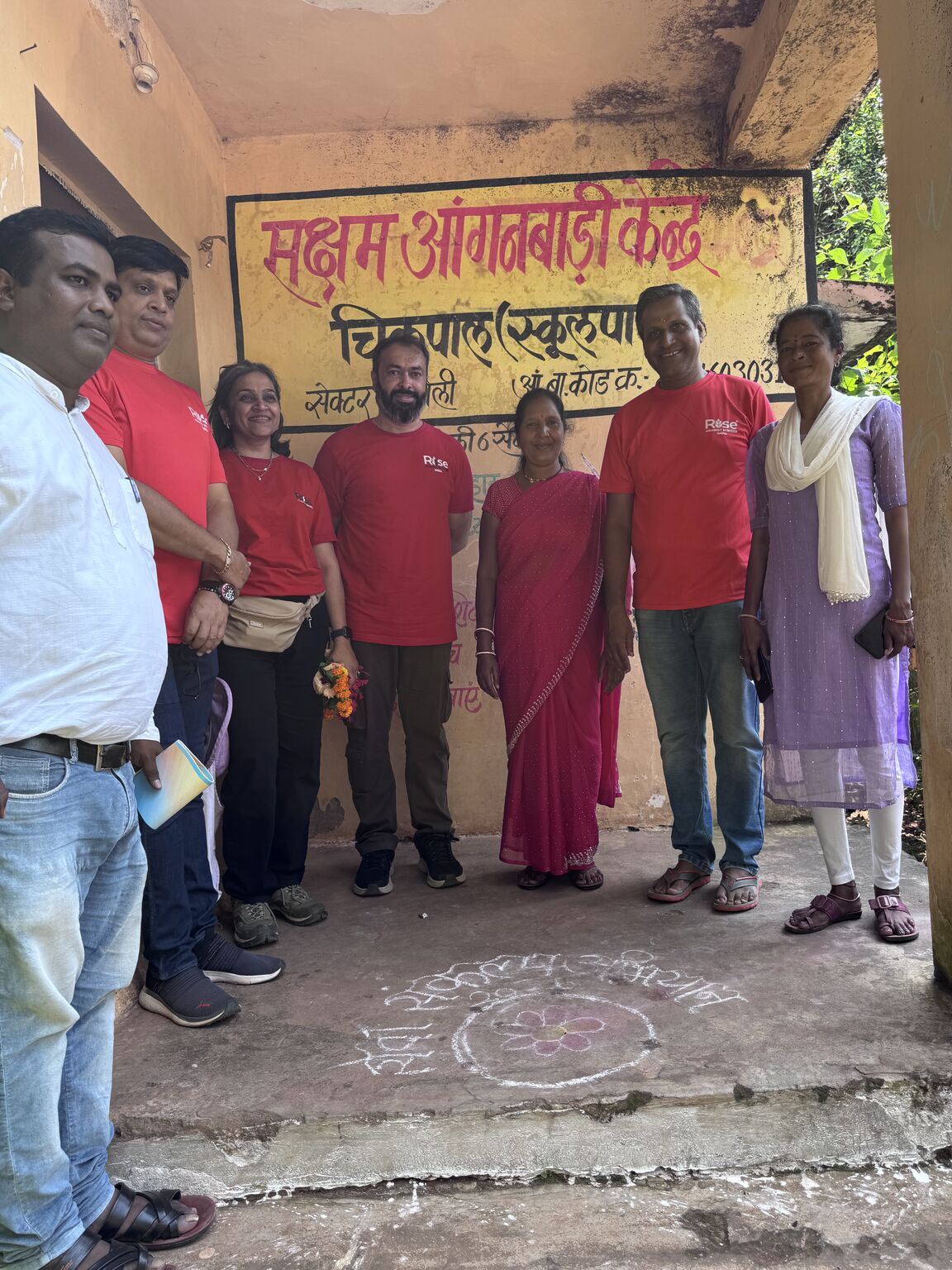
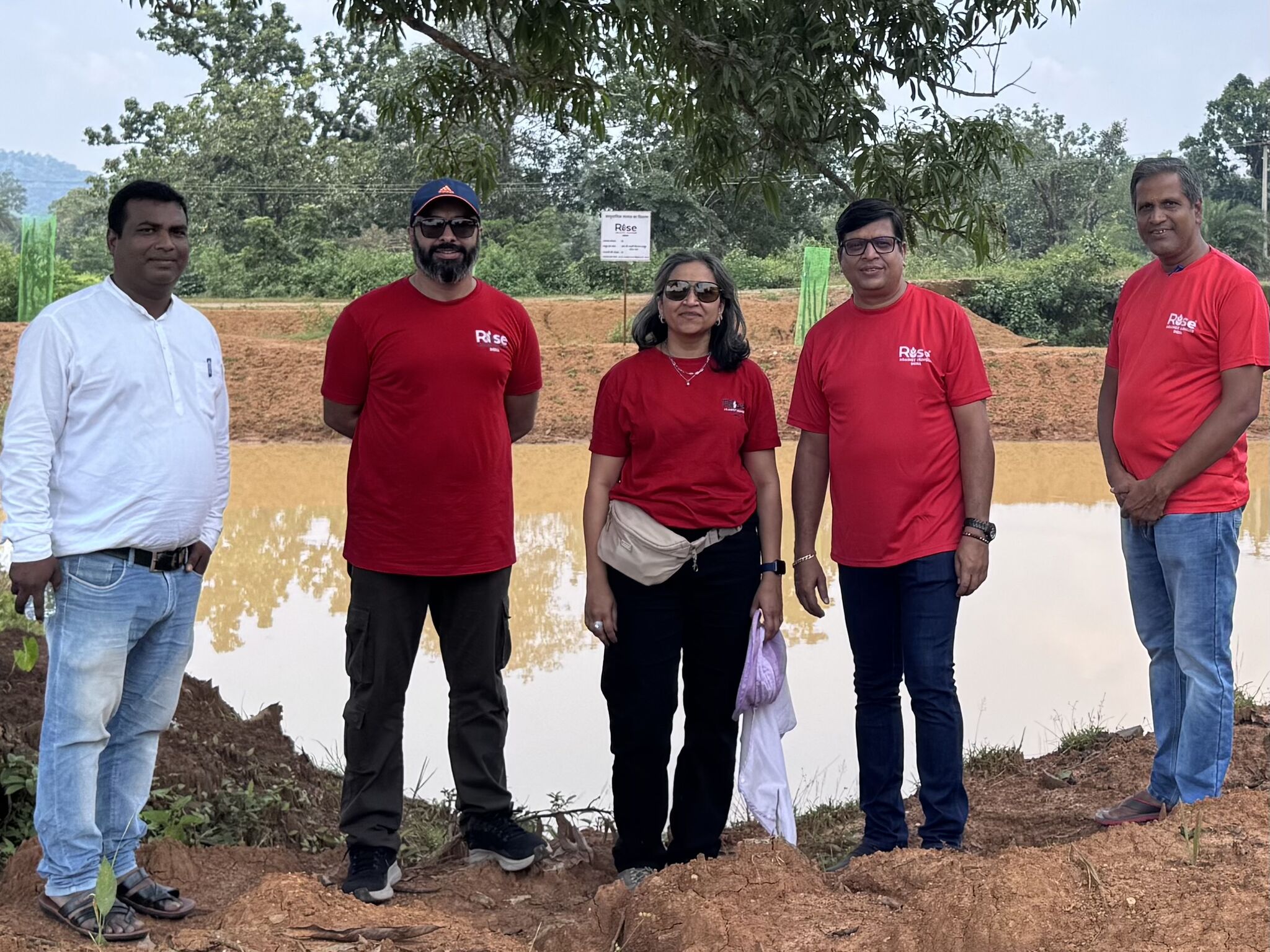
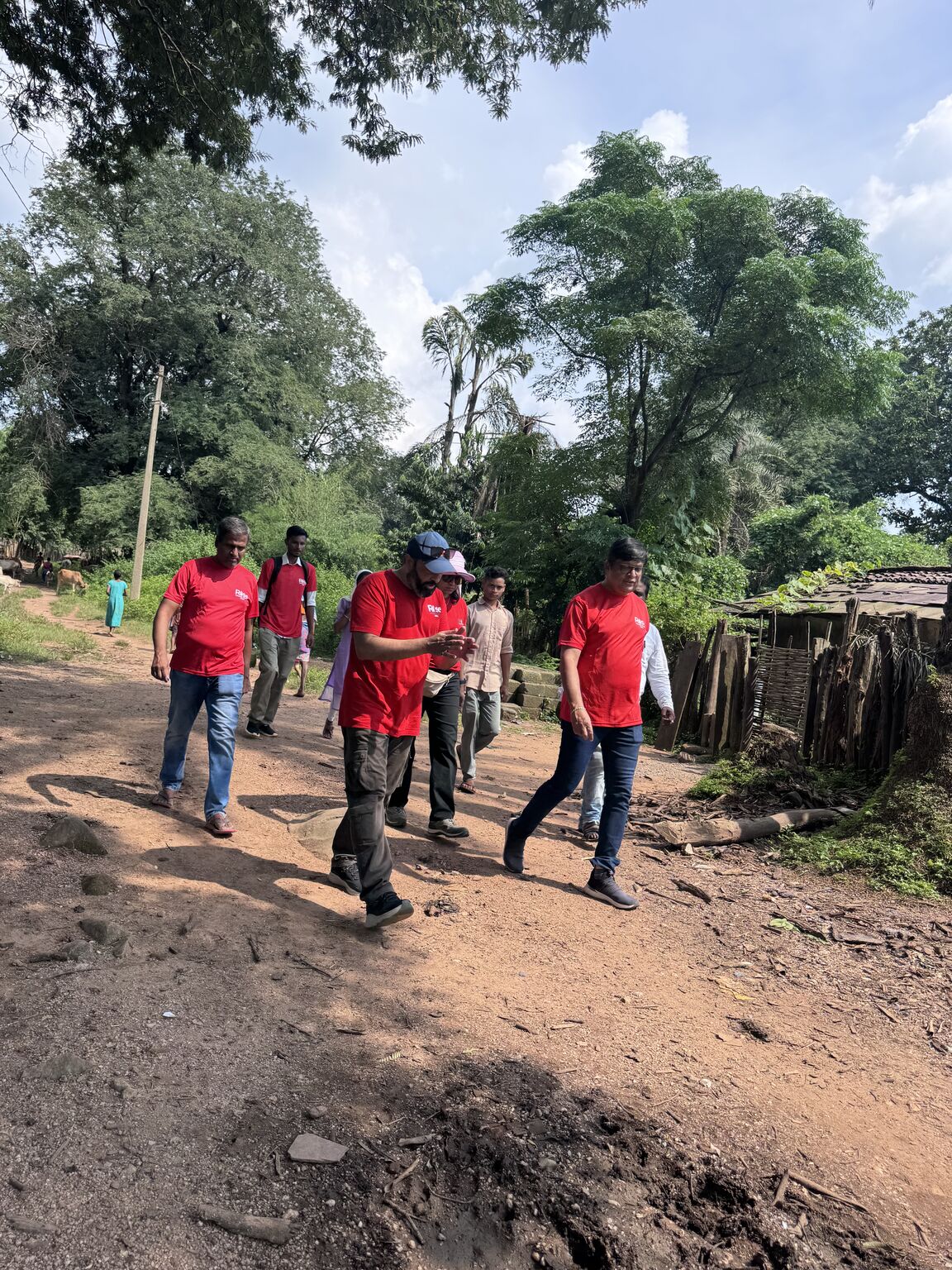
Stepping into the villages and meeting the communities takes us beyond boardrooms and strategy discussions — straight to the ground reality. It teaches us humility, gratitude, and the importance of staying connected to the people we serve. Presentations and reports can only tell you so much. When you sit with a mother at an Anganwadi centre, walk through a kitchen garden, or stand beside a newly built community irrigation pond, the numbers become faces and the outcomes become stories.
The Programs That Sustain Communities
RAHI's work in this region spans several interconnected programs. Maternal and child care ensures that mothers and young children in remote tribal villages receive the nutrition and health support they need. Kitchen gardens give families the ability to grow their own nutrient-rich food. Community irrigation and sustainable agriculture projects are helping farmers move beyond rain-dependent cultivation. Public health initiatives address endemic challenges. THRIVE livelihoods programming builds economic pathways. And emergency response readiness ensures communities are not left vulnerable when crisis strikes.
What the Communities Teach Us
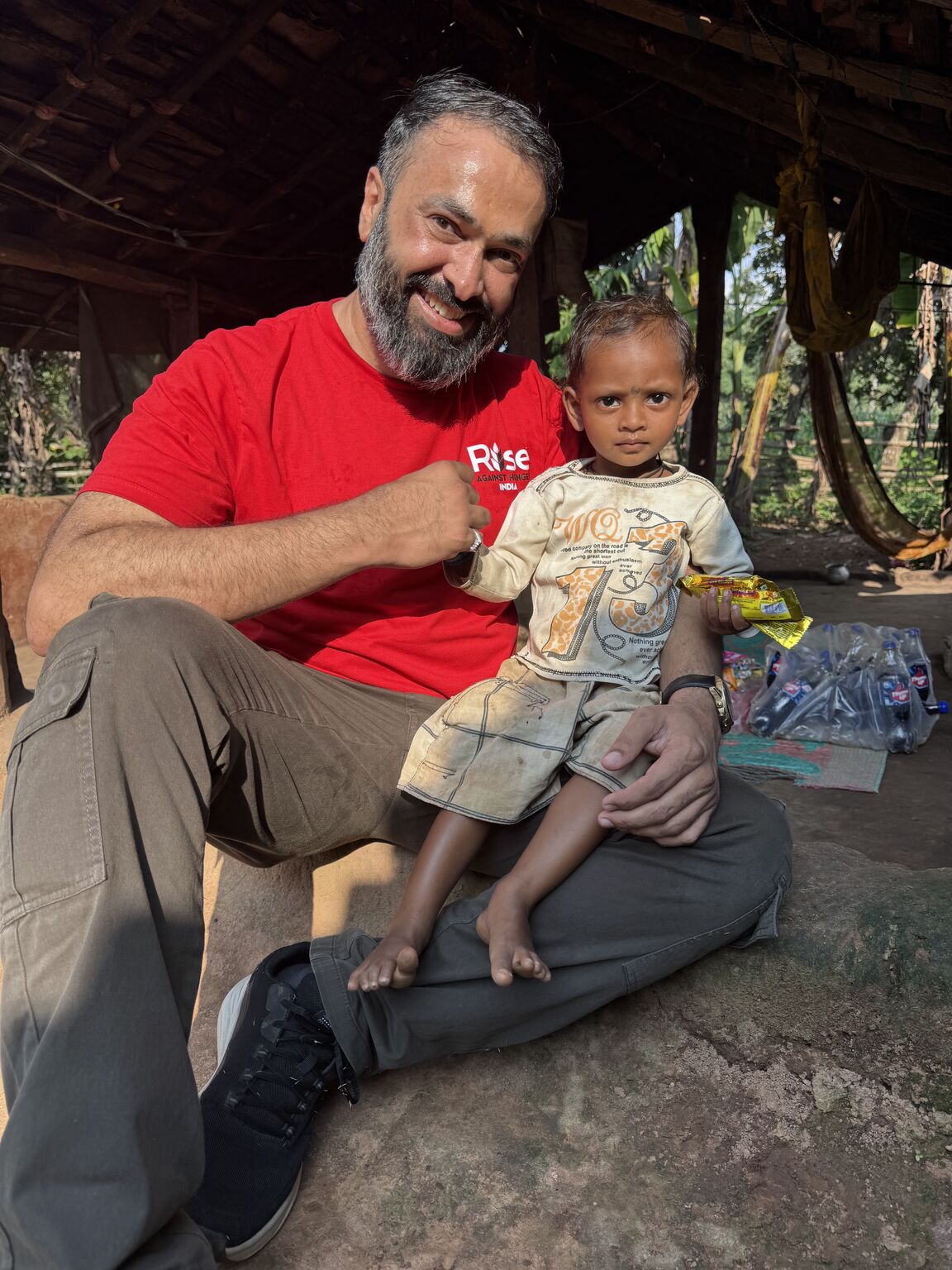
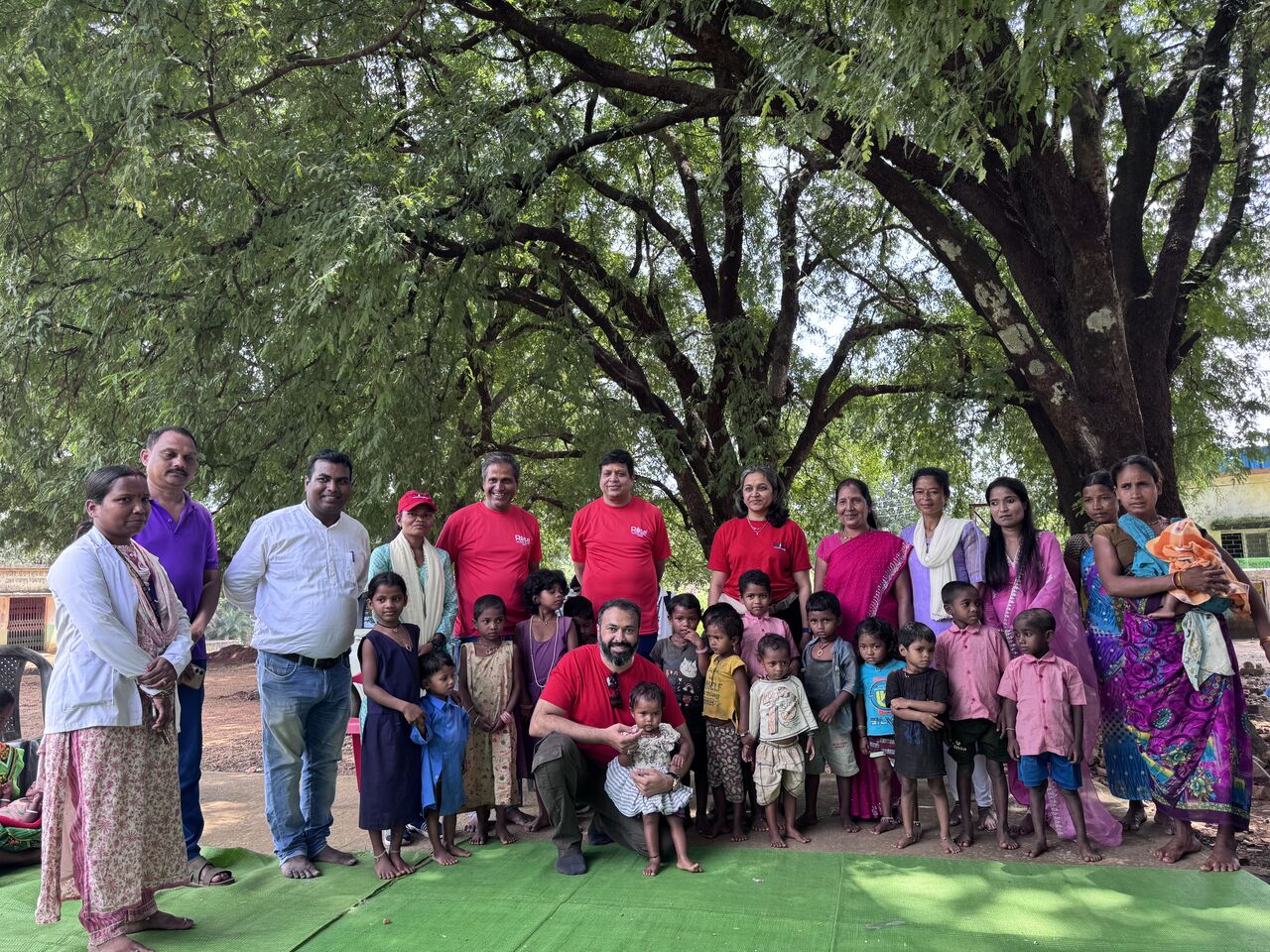
What you cannot prepare for, no matter how many field visits you have done, is the warmth and generosity of the communities themselves. Despite having so little, they welcome you with open arms, with rangoli at the doorstep, garlands, and a dignity that humbles you. The children are curious and unafraid. The women are articulate about what has changed and what still needs to change. The elders remember every promise that was made and fulfilled.
The Field Team's Resilience
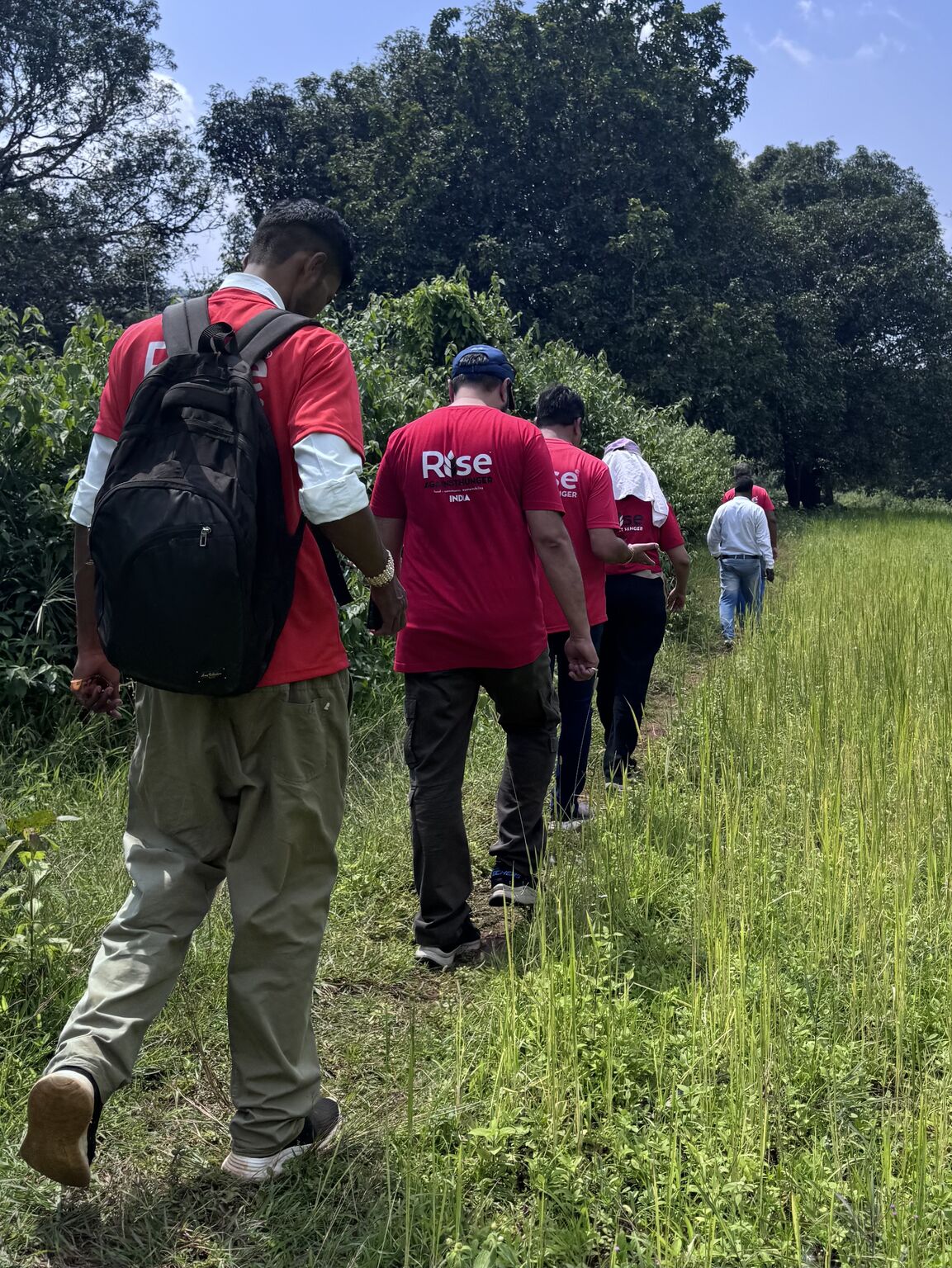
What truly inspires me is our field team's resilience. Working in challenging and remote conditions — far from urban conveniences, navigating difficult terrain, often in areas with limited connectivity — they continue to show up every day with commitment, compassion, and a smile. They know every family by name. They understand the local context in ways that no central office ever could. They are the ones who turn strategy into impact.
Culture, Service, and Gratitude
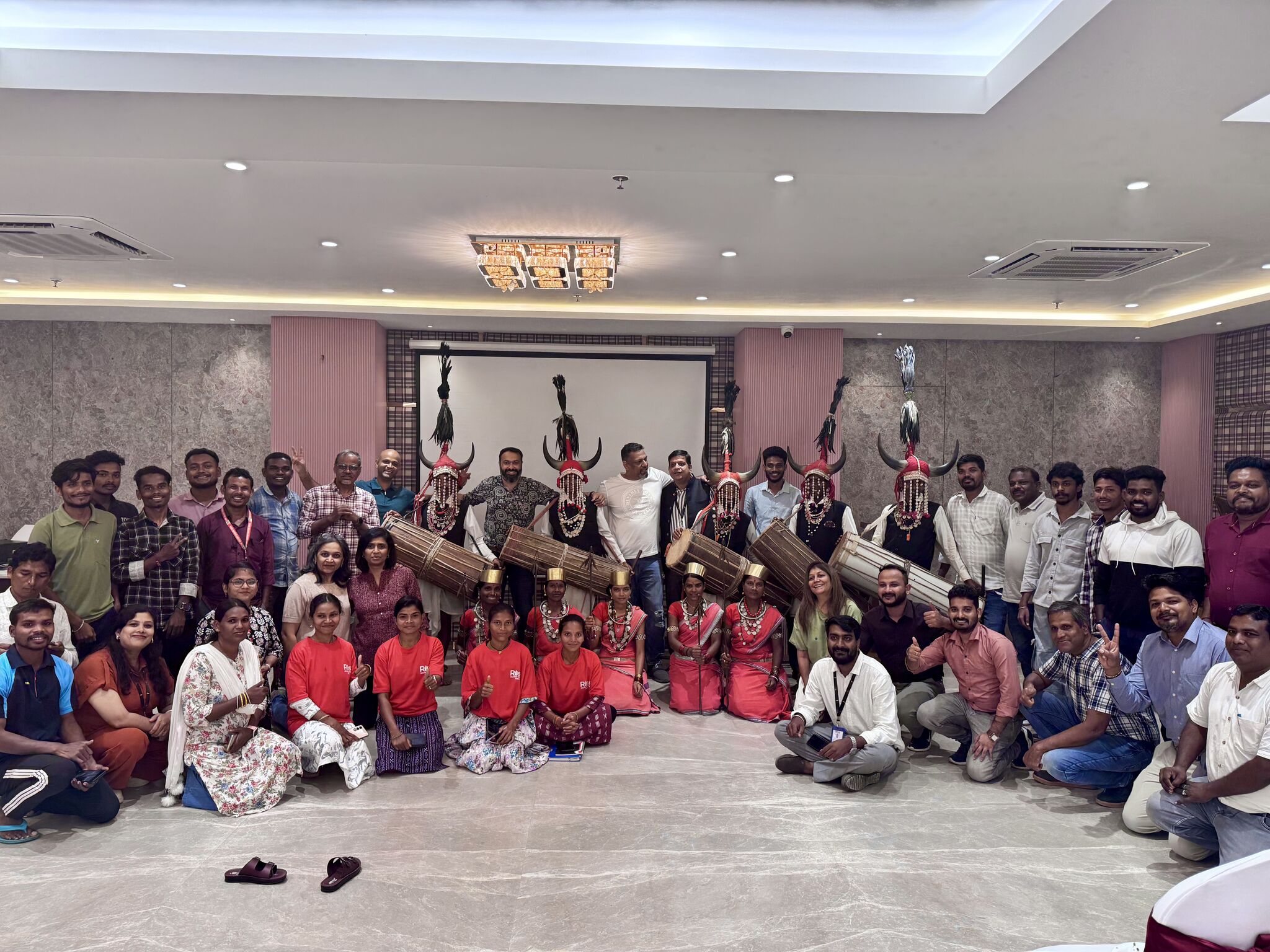
A field visit is not just about reviewing programs. It is also about understanding the culture, the heritage, and the spirit of the people. During this visit, we were privileged to witness a traditional performance by the tribal community — an experience that deepened our respect for the rich cultural identity of the region.
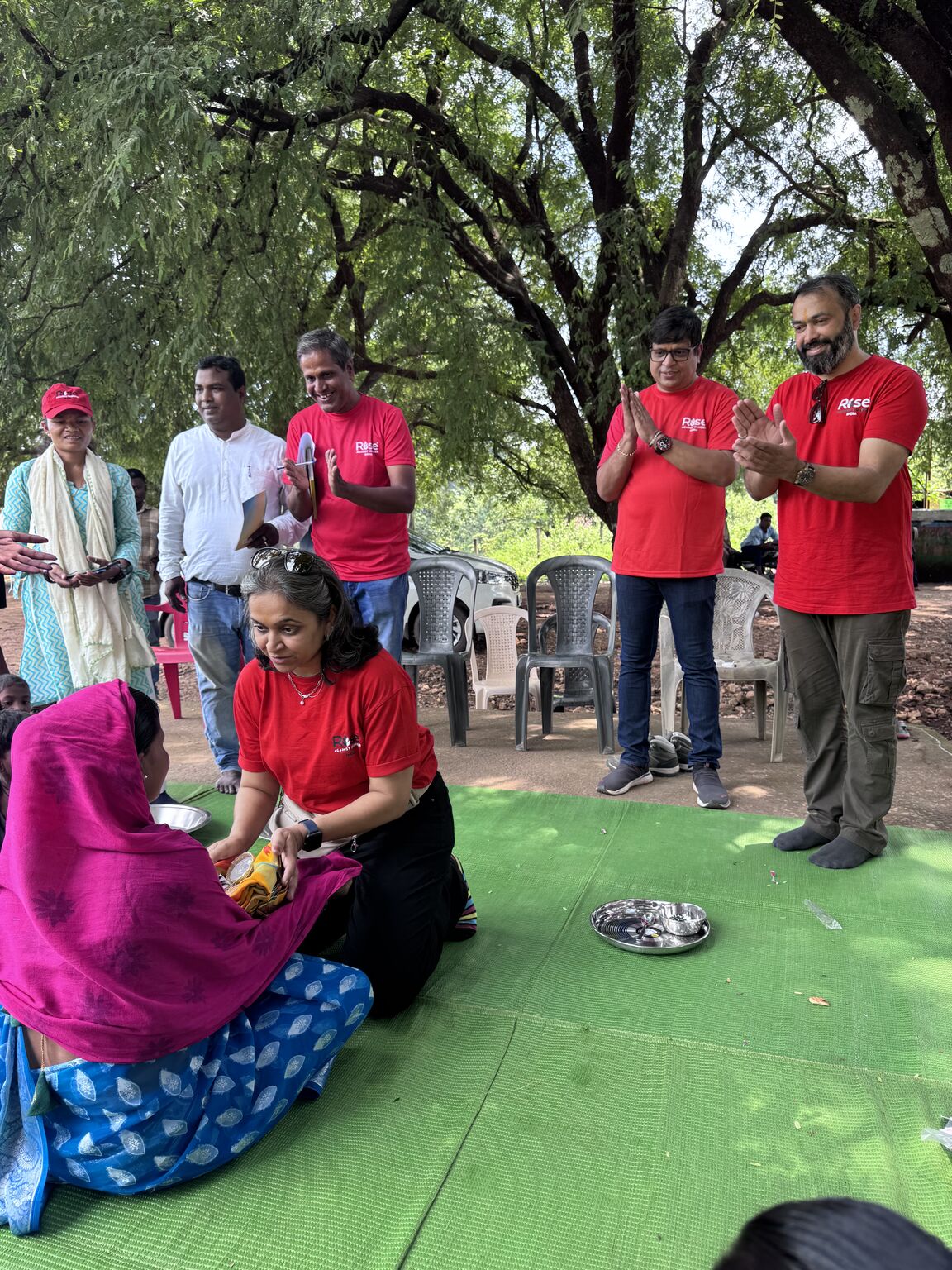
Grateful to the RAHI team, our partners, and the communities who continue to inspire us. Every visit reinforces the conviction that this work is not just necessary — it is a privilege.
A Beautiful Way to End the Journey
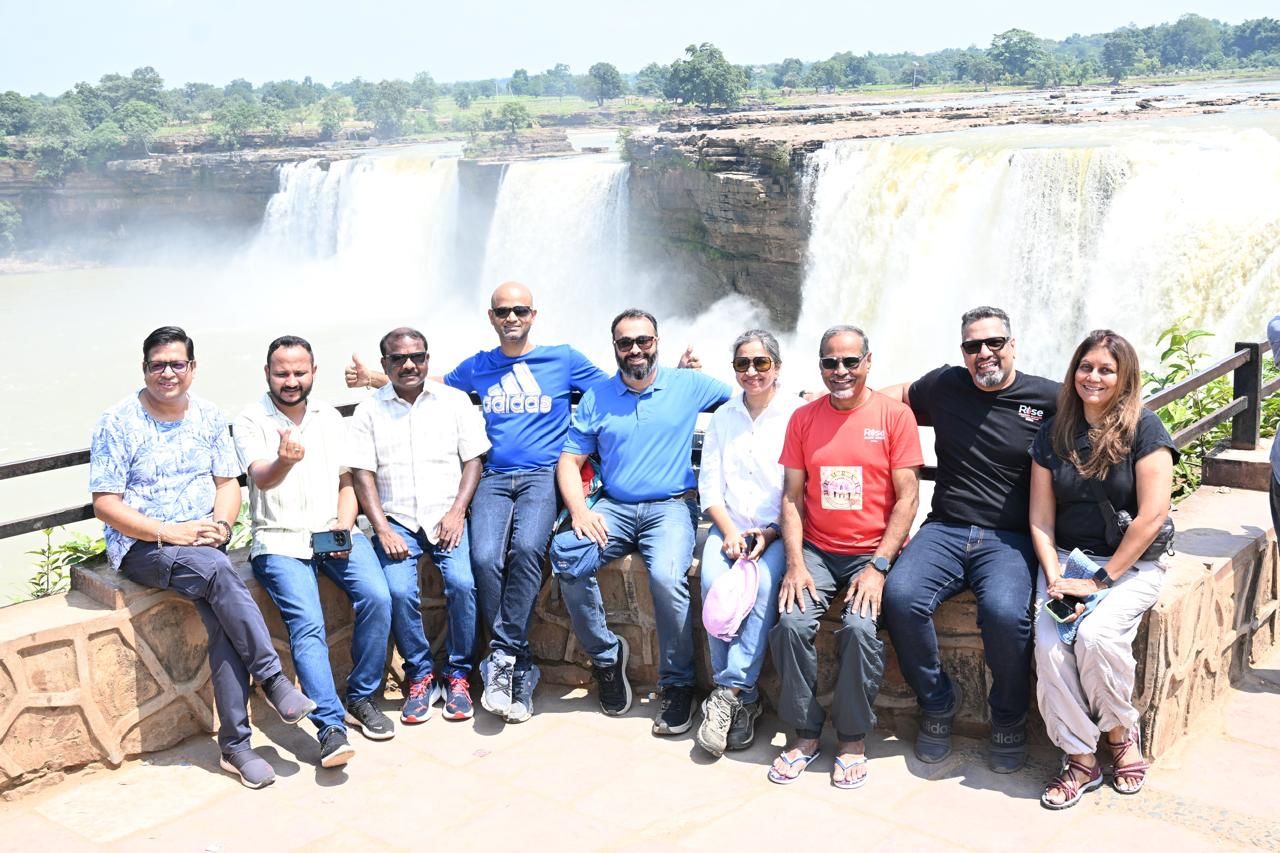
And what better way to close a journey through Chhattisgarh than at Chitrakoot Falls — the magnificent "Niagara of India." A moment of stillness after days of deep engagement, and a reminder that nature's generosity, like the generosity of the communities we serve, is boundless.
"Keep serving. Keep learning. Keep growing the movement."
Support RAHI's work in tribal communities across Chhattisgarh. Every contribution makes a difference.
DONATE NOW →Donations are eligible for tax exemption under Section 80G of the Income Tax Act
Related Stories
Rising for Resilience: Reflecting on Our Journey and the Road Ahead (2025–2028)
As Rise Against Hunger India moves through the implementation of its Country Strategy Plan (2025–2028), we reflect on the progress made, the lessons learned, and the path forward — grounded in two powerful ideas: agency and resilience.
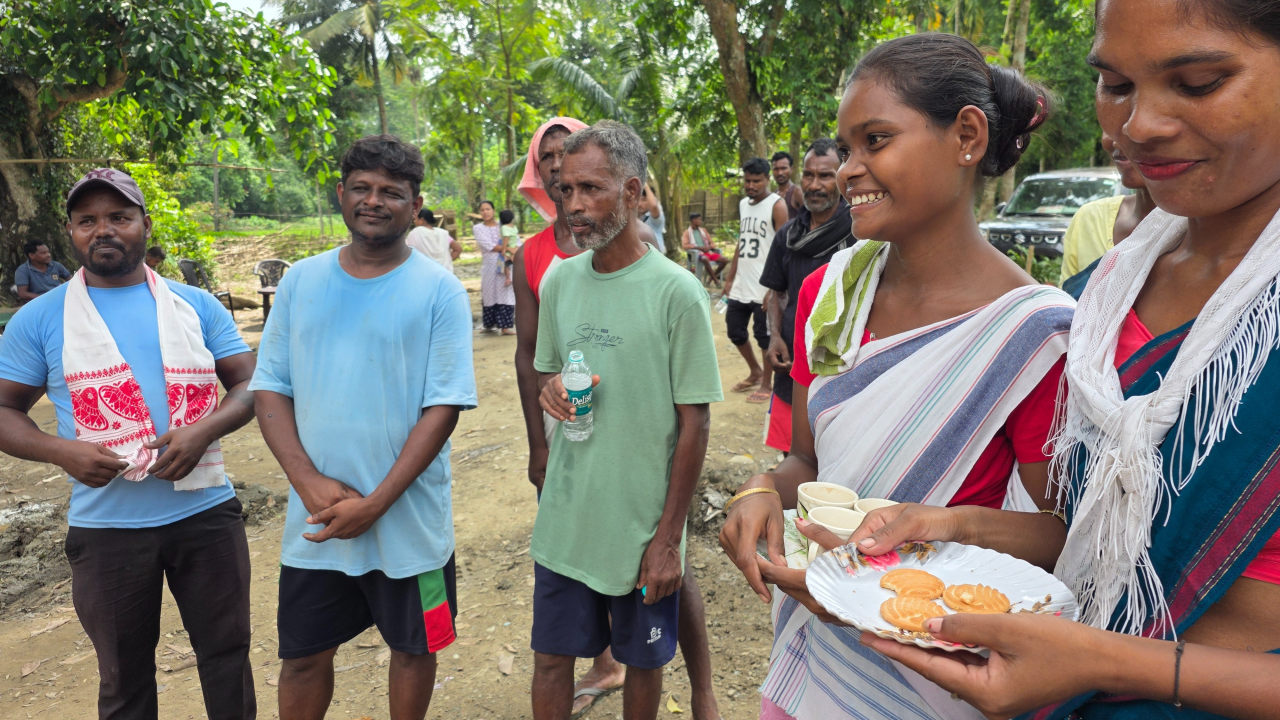
The Real Humanitarian Workers of the Year: Stories of Courage, Compassion, and Service
When crisis strikes, ordinary people step forward to do extraordinary things. Meet the unsung heroes of the Assam floods — a retired teacher who sheltered ten families while his own home flooded, a social worker who enlisted her entire family, and rescuers who put others before themselves.
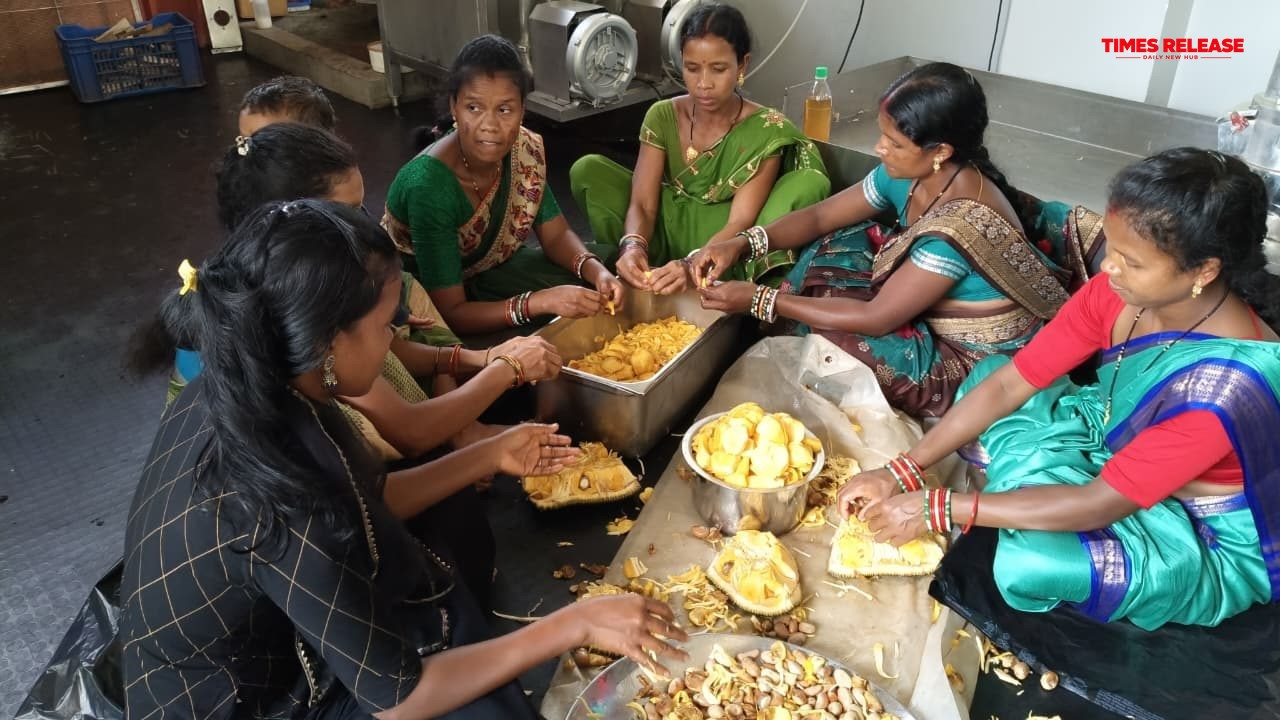
From Silence to Enterprise: A 3-Year Reflection on Agency and Trust
In 2023, getting someone to introduce herself felt like progress. In 2026, these Bonda tribal women are directors of their own Farmer Producer Company — travelling across states, leading discussions, and teaching us their songs.
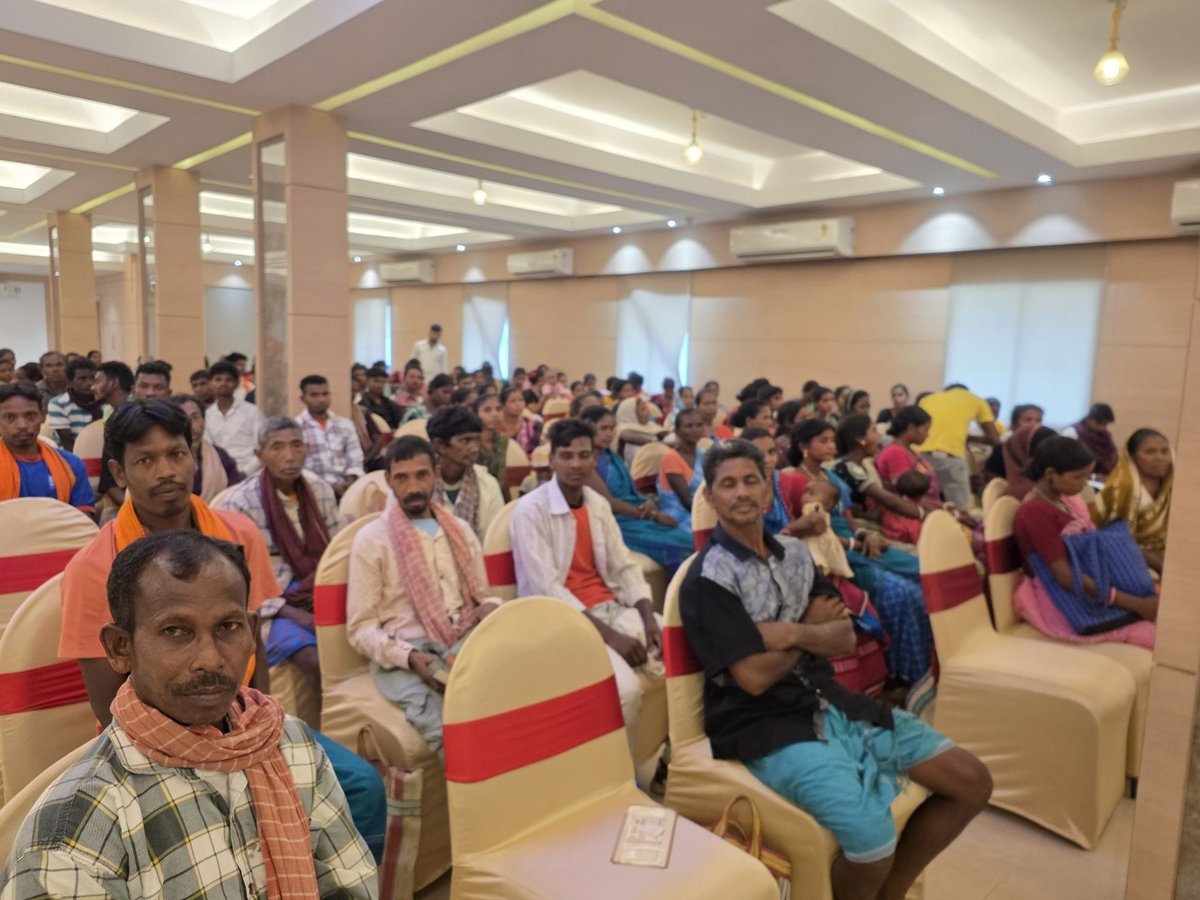
The Subtle Line Between Support and Control: Reflections from the Field
A field visit to Jharkhand for income-generation planning revealed how easily well-intentioned support can shift into control — and what it takes to truly enable people to think and decide for themselves.